17 Great Things to Do in Plovdiv, Bulgaria
Last Updated on 25/06/2026 by kami
Plovdiv is, without any doubt, one of the best places to visit in Bulgaria. It is believed to be the oldest continuously inhabited city in Europe, with traces dating back to the 6th century BC.
But Plovdiv is more than just ancient ruins and a charming UNESCO-listed Old Town. This is a cool, vibrant city with diverse Plovdiv attractions that nicely balance each other. There are so many great things to do in Plovdiv that it’s impossible to be bored there.
I was lucky to visit Plovdiv on a few occasions, and each time I enjoyed the city a lot. I really can’t recommend visiting Plovdiv enough, and I believe it should be in every Bulgaria itinerary. It’s easy to go there on a day trip from Sofia, but it’s even better to spend a bit more time there to fully get to know and enjoy it.
I put together this Plovdiv guide with the best things to do there and more, so you can plan your own trip to Plovdiv, too. Read on and have a wonderful time discovering Plovdiv!
Planning a trip to Plovdiv?
Here are the highly-rated hotels, tours, and services recommended for your trip:
Accomodation:
- Plovdiv City Center Hotel (9.4/10)
- Villa Flavia Heritage Boutique Hotel (9.9/10)
- Hotel Evmolpia (9.6/10)
Tours and activities:
- Plovdiv guided walking tour
- Plovdiv Walking Tour To Old Town And Ancient Roman Landmarks
- Bachkovo Monastery & Asen’s Fortress – day tour from Plovdiv
Internet: Stay connected with Airalo eSim card – use my code “KAMILA1947” to get $3 off your first order!
Insurance: Get insured for your trip to Bulgaria with SafetyWing
Car rental: Compare prices and find the best deals on rental cars in Bulgaria on Discover Cars.
Things to do in Plovdiv
Below, you can find all the best things to do in Plovdiv, in no particular order (as all of them are great!)
Admire the Dzhumaya Mosque
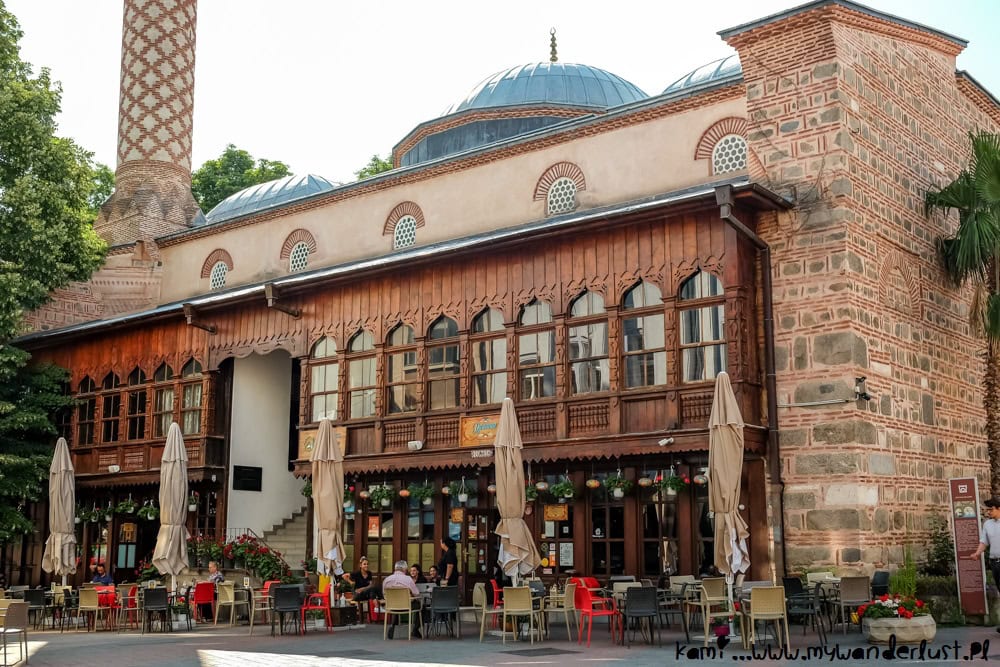
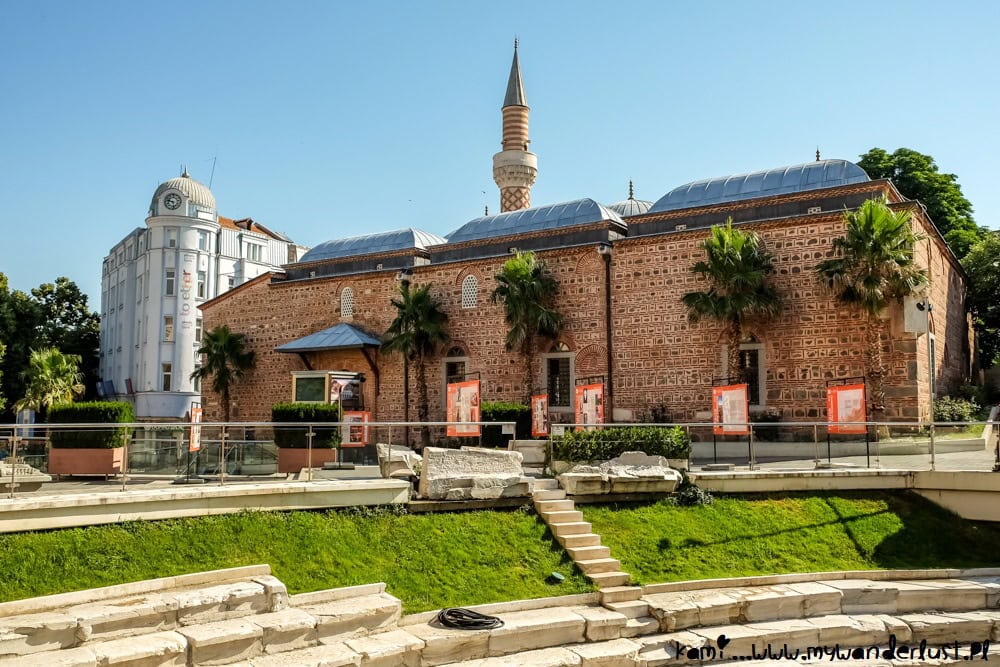
The Dzhumaya Mosque (also known as the Friday Mosque) is one of the oldest and largest Ottoman mosques in the Balkans. It dates back to the mid-14th century, when, once the Ottomans took over the area, it was built on the place of the Sveta Petka Tarnovska Cathedral Church.
The building we can see today was built in the 15th century, to replace the old mosque. It’s worth visiting the Dzhumaya Mosque inside, too (just remember to dress modestly when you step in). Even if you are not a religious person, you will surely appreciate the beautiful interior with the paintings from the 18th and 19th centuries.
Find the ancient Philippopolis Stadium
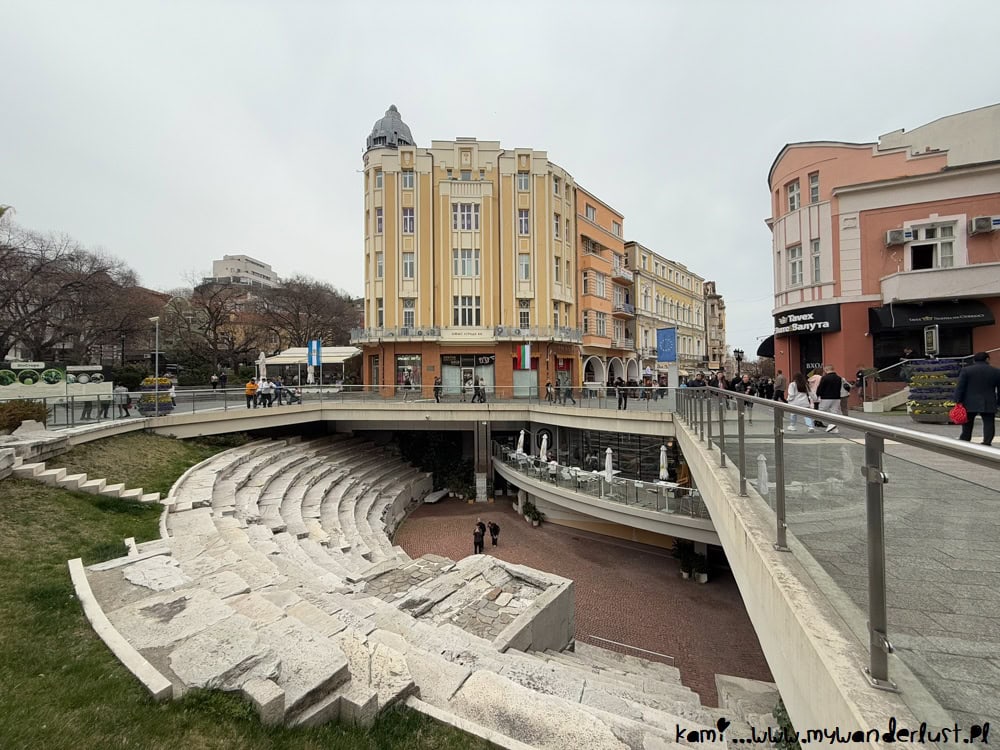
In Plovdiv, you can find ancient remnants all over the city. When you wander around the pedestrian center and reach the square with the Dzhumaya Mosque, you will notice the underground part of the place. That’s where the Philippopolis Stadium was located.
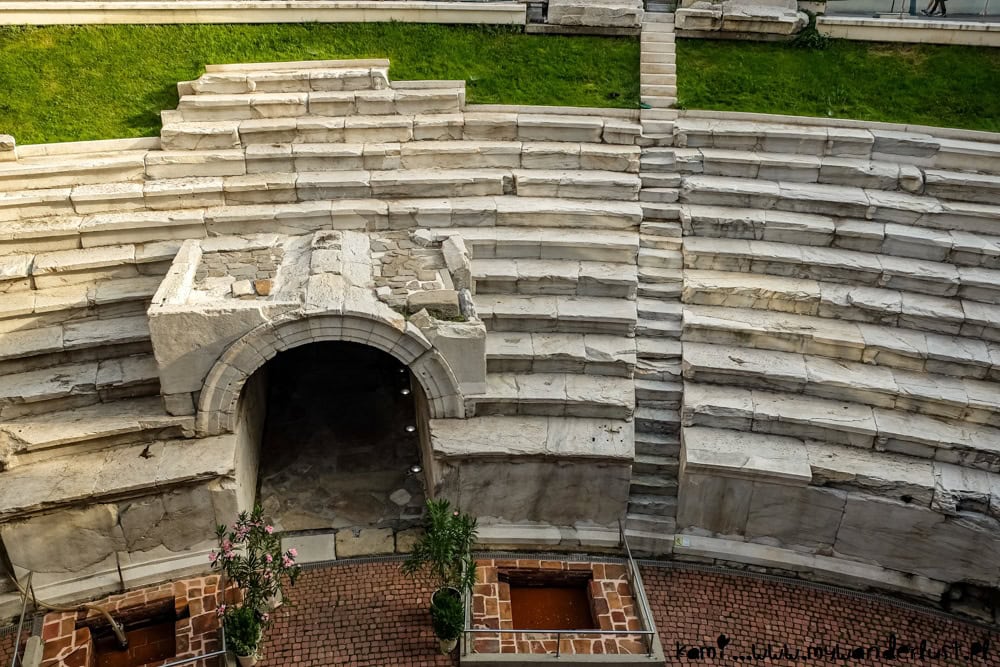
It was built in the 2nd century, when the area was under Roman rule, and was discovered in 1923. What you can see today is only a small part of the stadium. The stadium stretches for about 250 meters along the main pedestrian street of Plovdiv, Knyaz Alexander I Street; you can also find remnants in the basements of surrounding buildings.
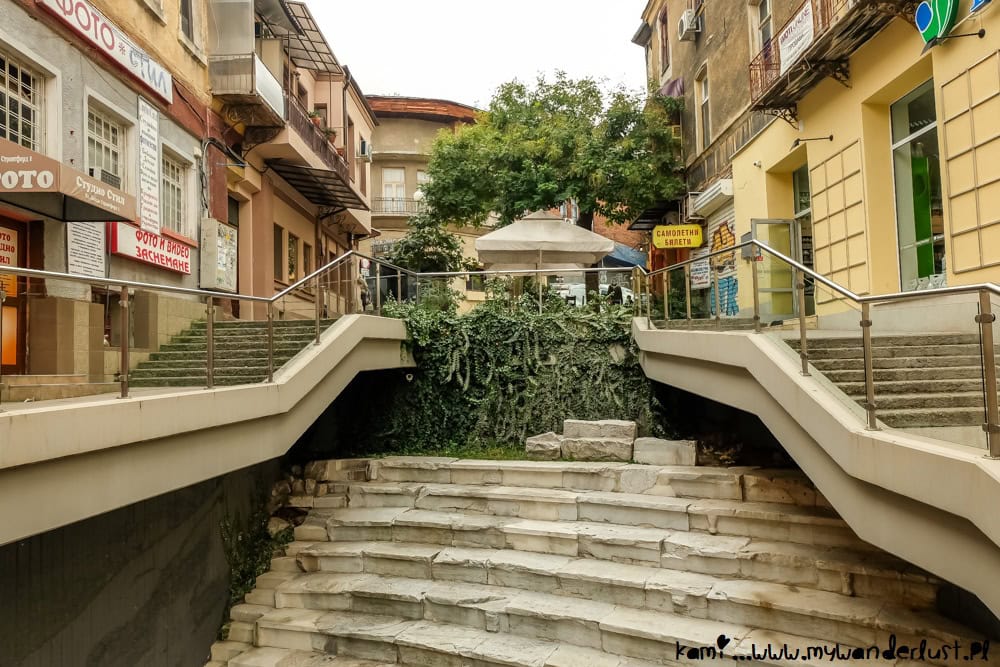
Back in the day, the stadium could seat up to thirty thousand spectators, making it the main entertainment hub of Philippopolis. The main part of the ruins is right on the Mosque Square, but you can see a bit more of the remnants hidden along the narrow street on the left (when looking toward the mosque). You can also go down to see what’s left of the Philippopolis Stadium from up close.
See the Roman Forum
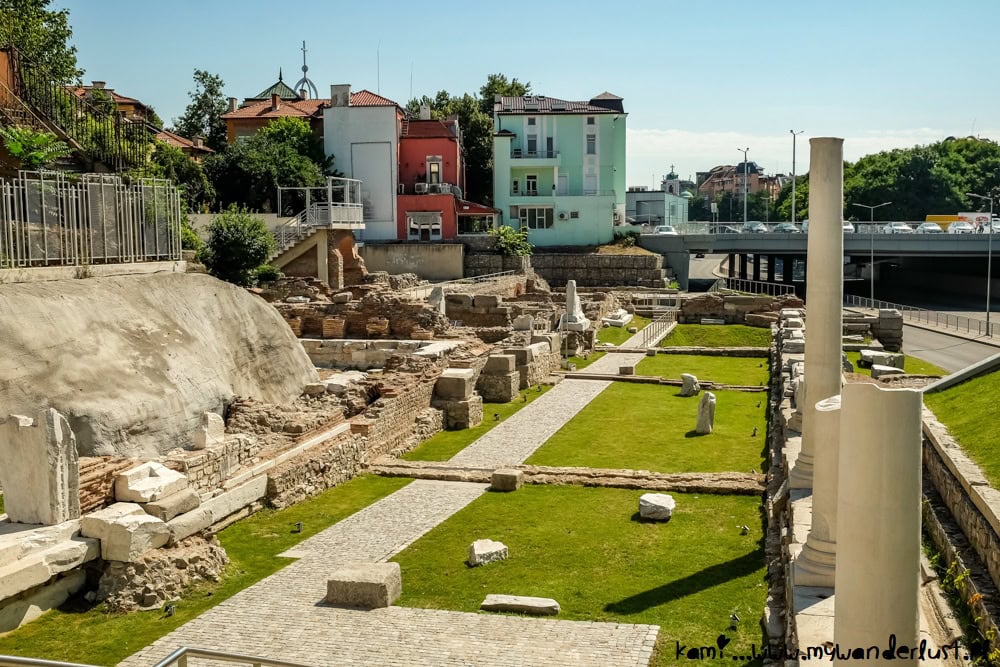
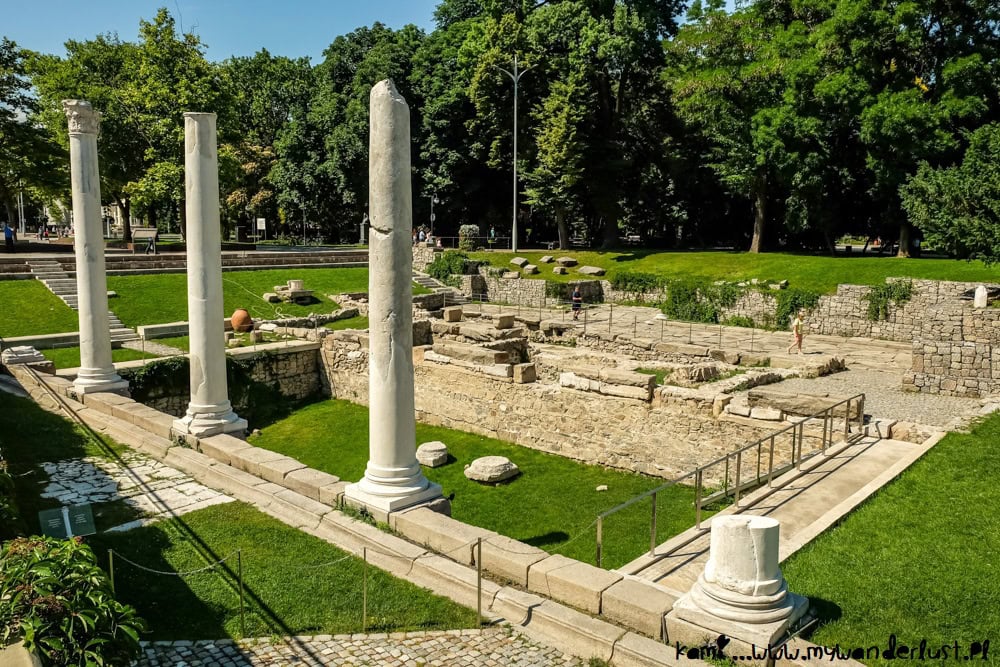
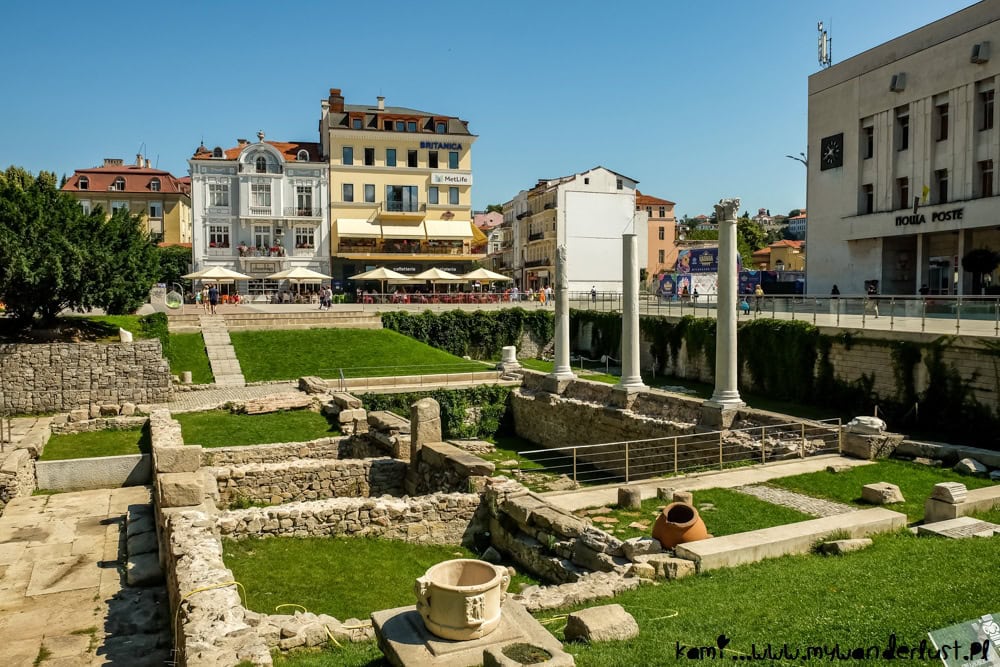
At the end of Knyaz Alexander I Street, behind the city hall, you can find another ancient remnant in Plovdiv – the Roman Forum. Even if the ruins aren’t very large, it is still one of the best-preserved Roman squares in Europe.
Back in the past, it was the administrative, cultural, and religious center of the town, and even now, you can still recognize the distinctive shape of its important structures. The Roman Forum was discovered in 1971 during construction of the nearby post office, and today it is one of the most important ancient sites in the region.
Since it is located right in the center of the city, you can easily explore the place and imagine what everyday life used to look like in ancient times.
Visit the Roman Theater
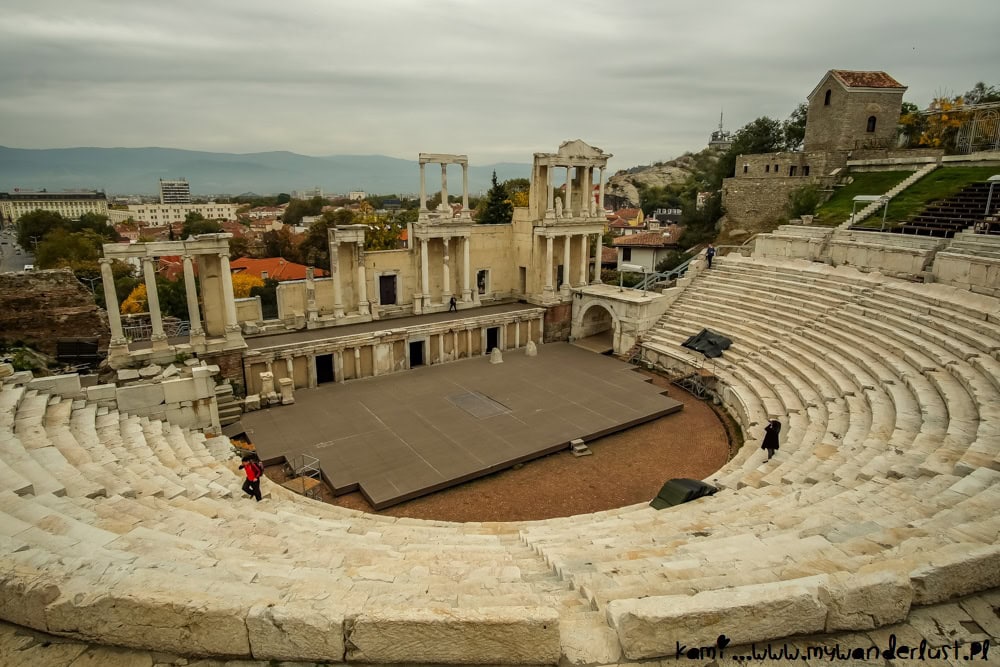
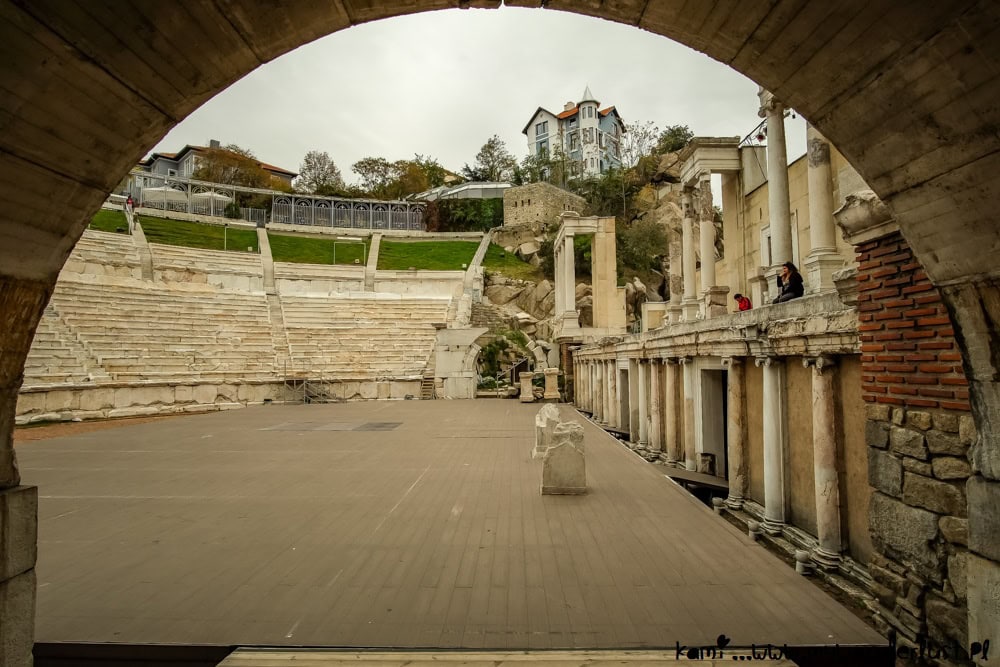
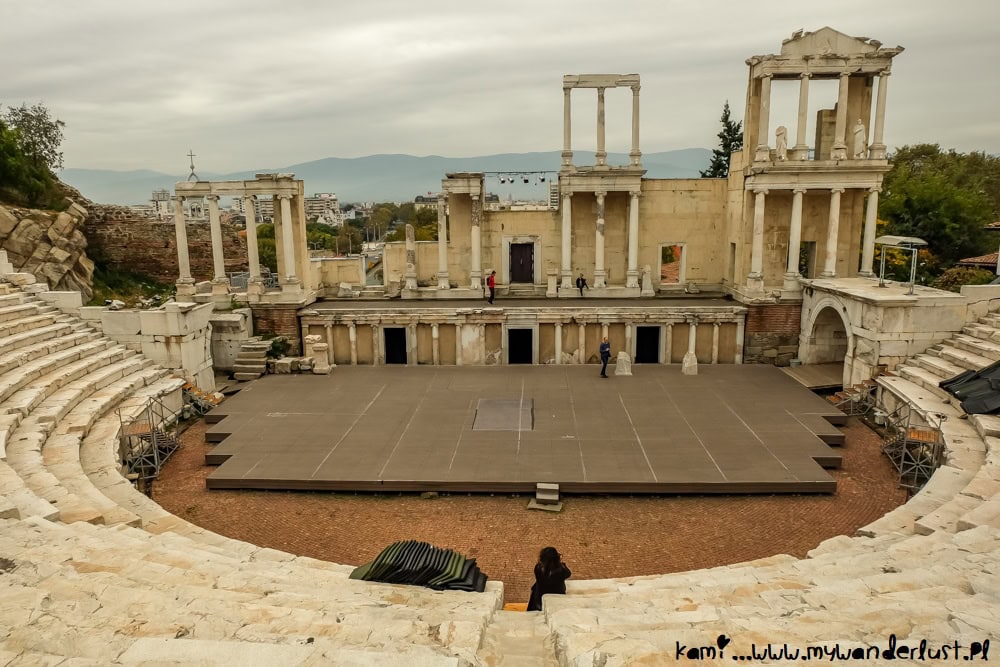
Roman Theater is one of the greatest attractions in Plovdiv and one of the best-preserved ancient Roman theaters in the world. Originally built in the 1st century AD, it could even then fit up to 7,000 spectators. The semicircular structure was designed to face south toward the ancient town and the Rhodope Mountains in the background.
In ancient times, the theater was used not only to show performances but also as the seat of the Thracian provincial assembly. After the destruction by Attila the Hun in the 5th century, the Roman Theater in Plovdiv was uncovered only in the 1970s, following a landslide.
The massive work put into restoring the place has made it a major highlight of Plovdiv and the region. The Roman Theater still serves its original function; in the warmer months, you can attend plays or concerts here.
Admire the beautiful revival architecture
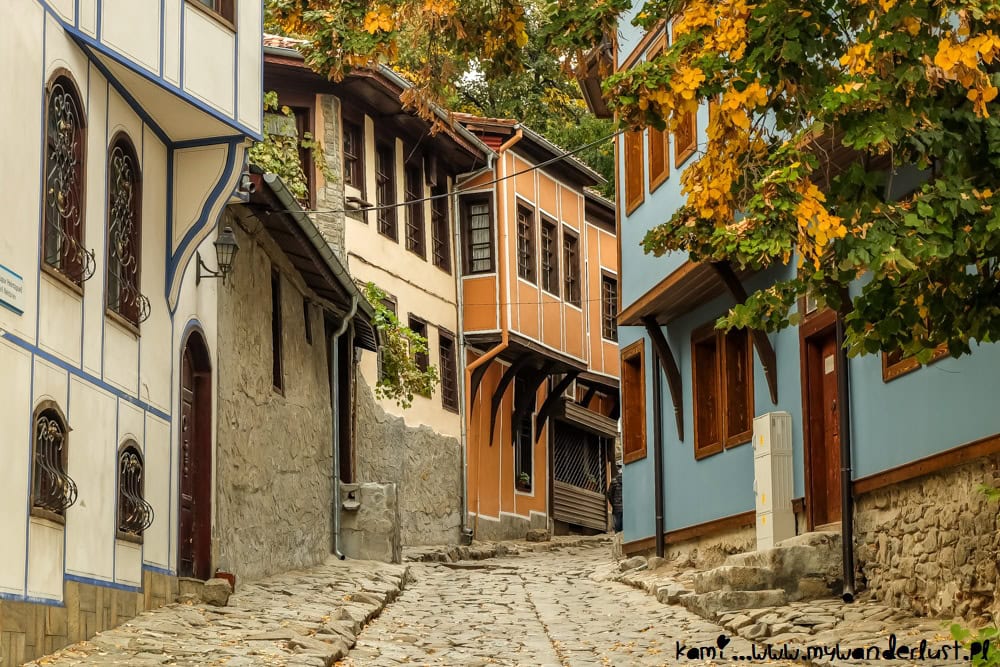
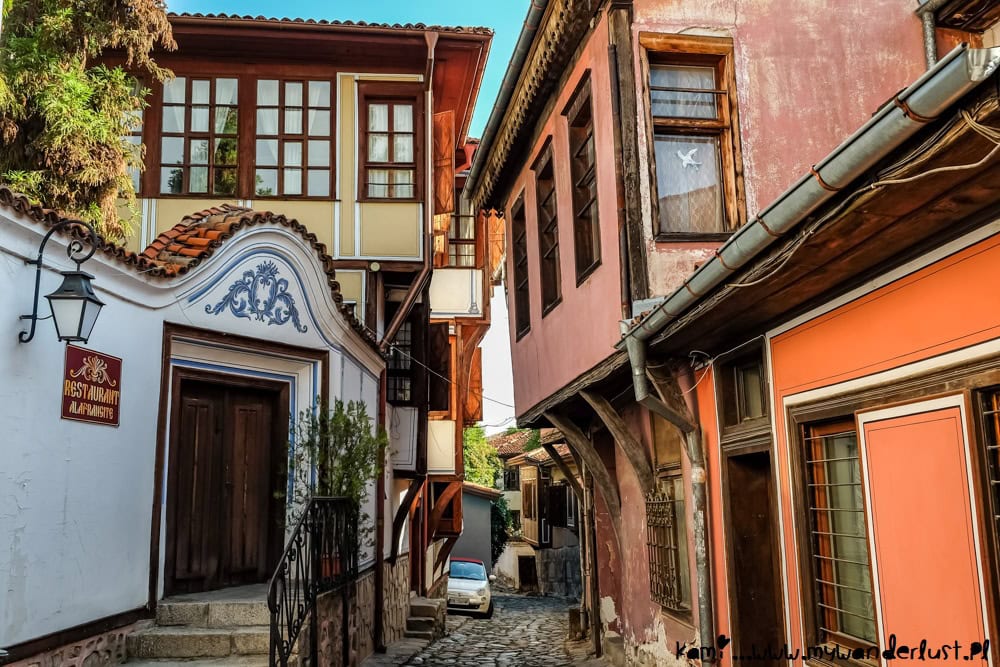
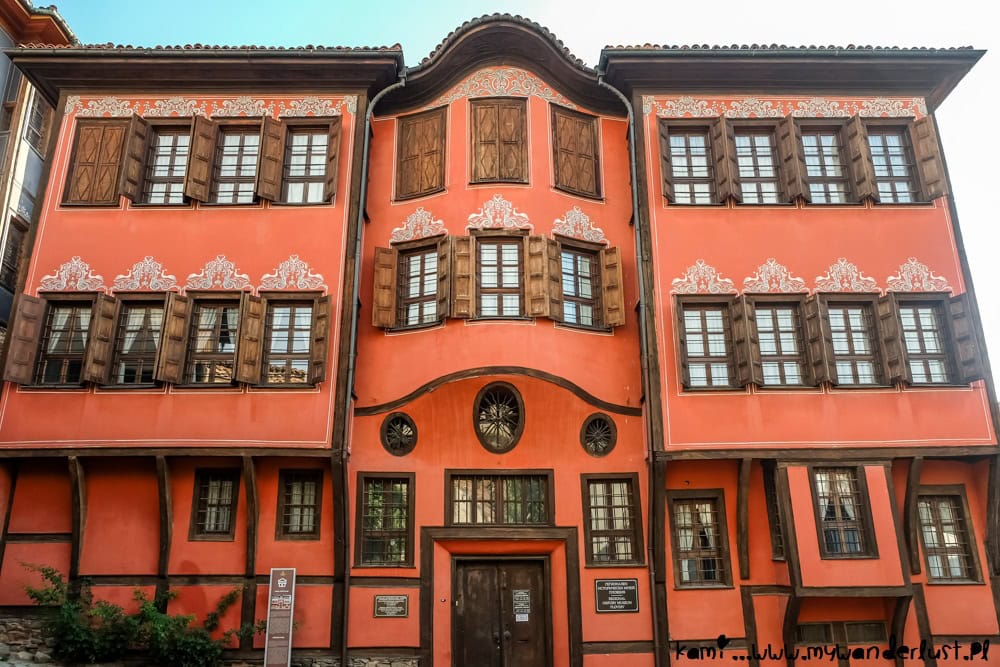
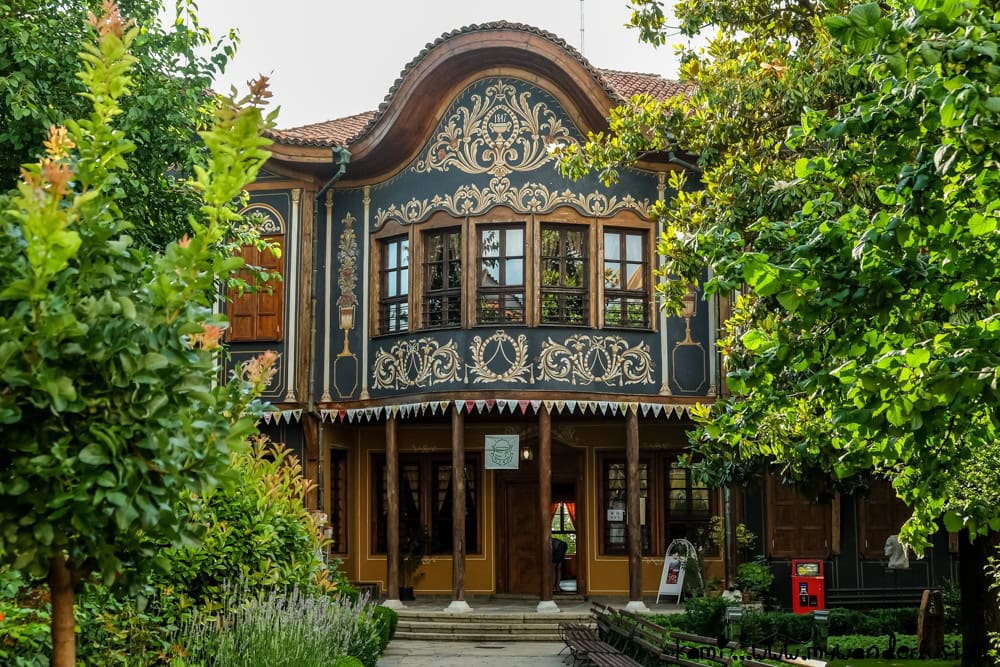
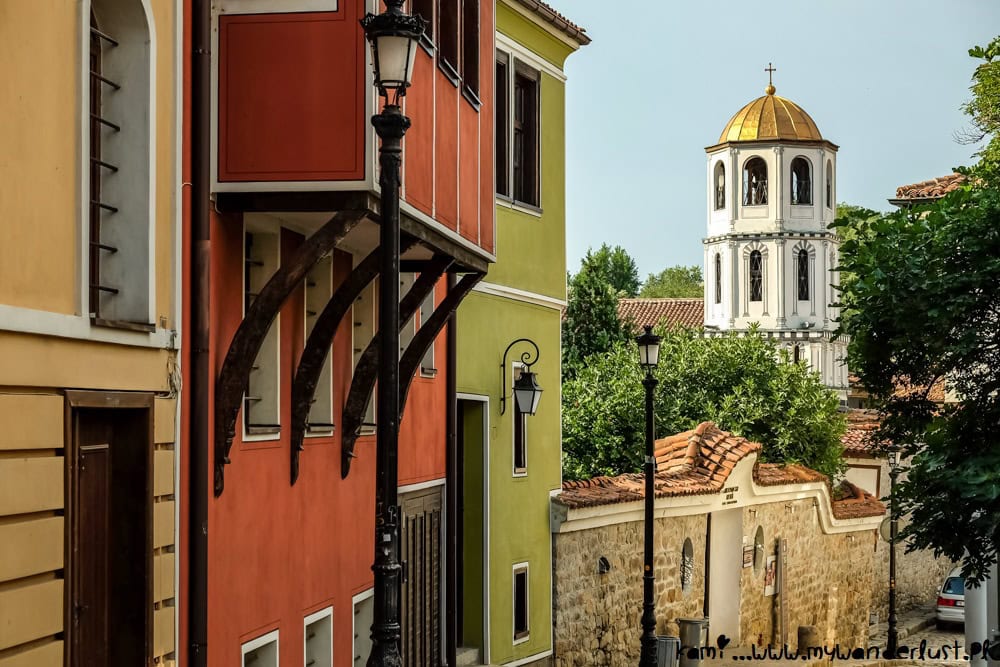
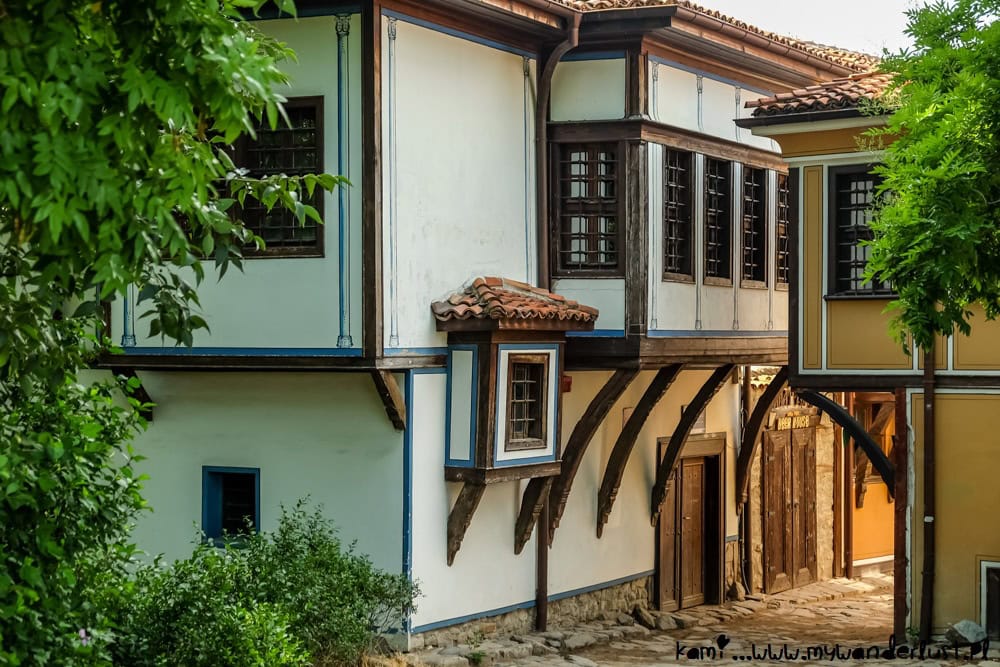
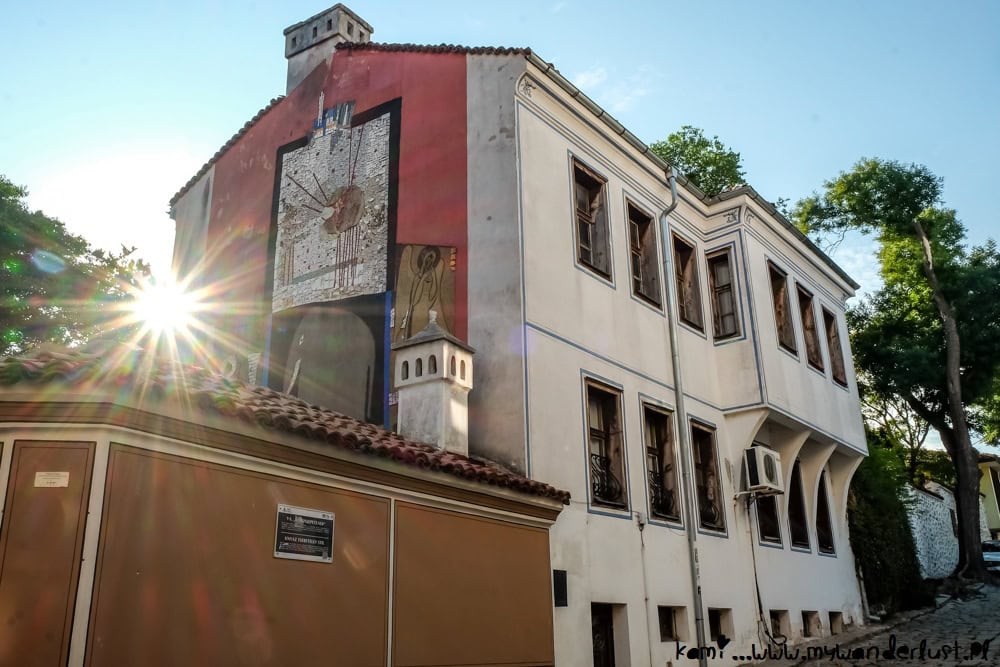
Bulgaria has its own architectural style, known as the revival architecture. It developed mainly in the 19th century and originated in Plovdiv. The style has strong Ottoman influences (after all, Bulgaria was still under Ottoman rule at that time), but with a local twist. The buildings are symmetrical, with a narrow base and the structure expanding upwards (because property taxes were high then, they were only paid for the ground area, not the overall size of the building).
In the 19th century, Bulgarians were gaining wealth and freedom under Ottoman rule. They wanted to show it off, hence the stunning buildings you can find in Plovdiv (and numerous places all over the country, such as Veliko Tarnovo or Koprivshtitsa).
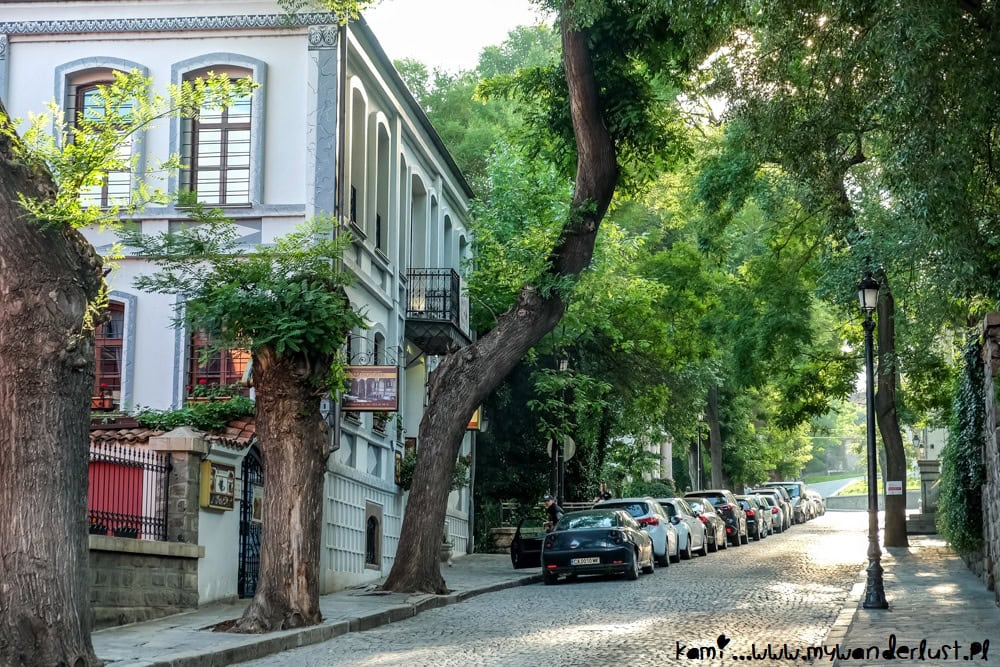
The Old Town in Plovdiv is like an open-air museum, where you walk around these marvelous, 19th-century houses. They were often named after their owners, and today they are beautifully restored, giving us a glimpse into the old days. My personal favorites are Dimitar Georgiadi’s House (now a Historical Museum) and Kuyumdzhioglu House (now the Ethnographic Museum), but you will find so many other interesting buildings around.
See old churches
In the Old Town of Plovdiv, you can also find many old, beautiful churches. Just like with the mosque, you don’t need to be a religious person to visit them and appreciate their beauty.
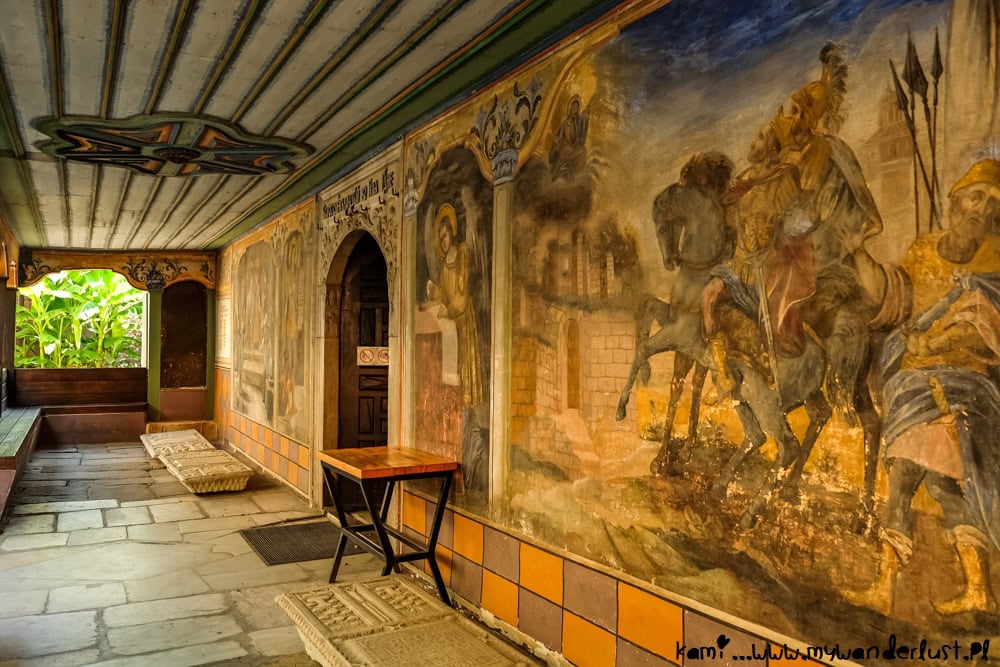
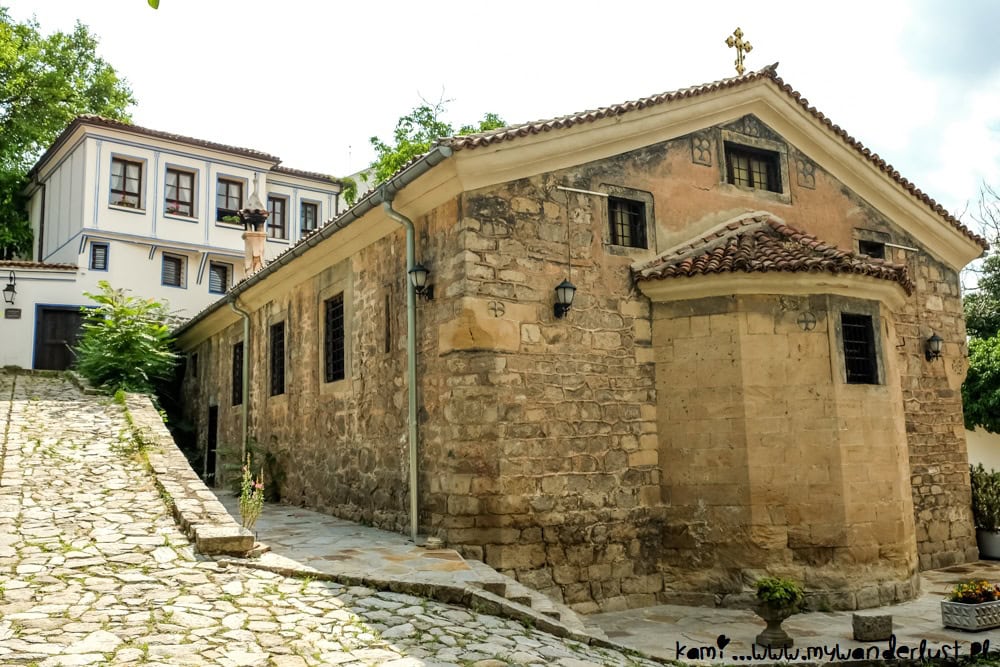
My favorite one was Church of Sts. Constantine and Helena, which is hidden behind the wall, shortly before the Ethnographic Museum. It’s easy to miss it, but once you step inside the inconspicuous gate, you will quickly realize what a gem this church is.
Originally built in 337 (making it one of the oldest churches in Plovdiv), it was named after Emperor Constantine the Great and his mother, Elena. Over the years, it was rebuilt a few times, and the current structure dates back to 1832, with clear influence from the Bulgarian Revival style. The walls of the building are covered in impressive frescoes, and the interior is equally beautiful.
This is just one of the interesting churches you can find in the Old Town in Plovdiv; just keep your eyes open as you wander around to see more of them.
Find the street of crafts
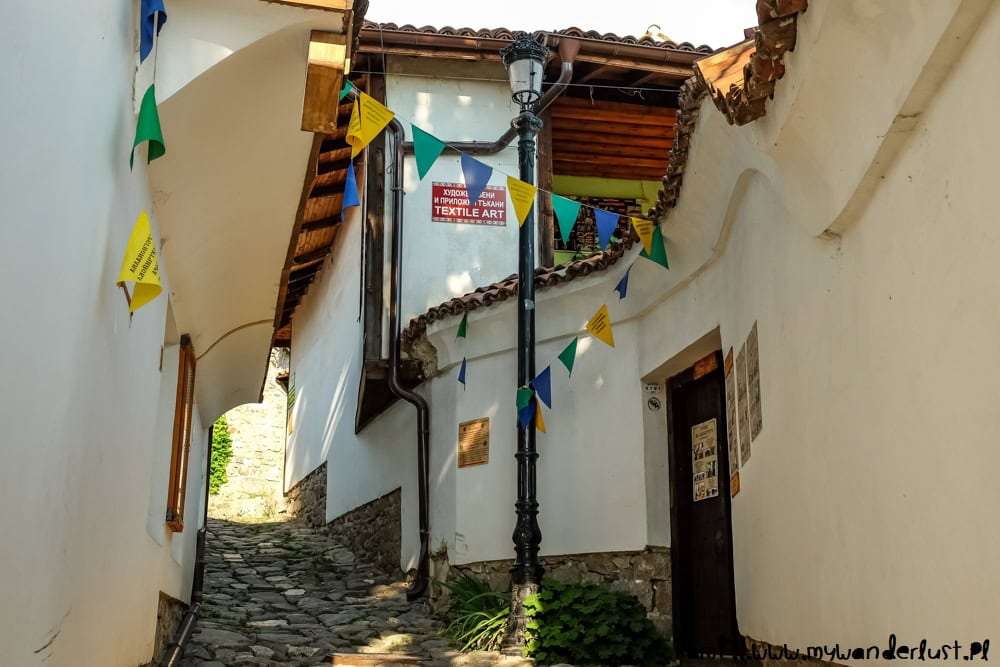
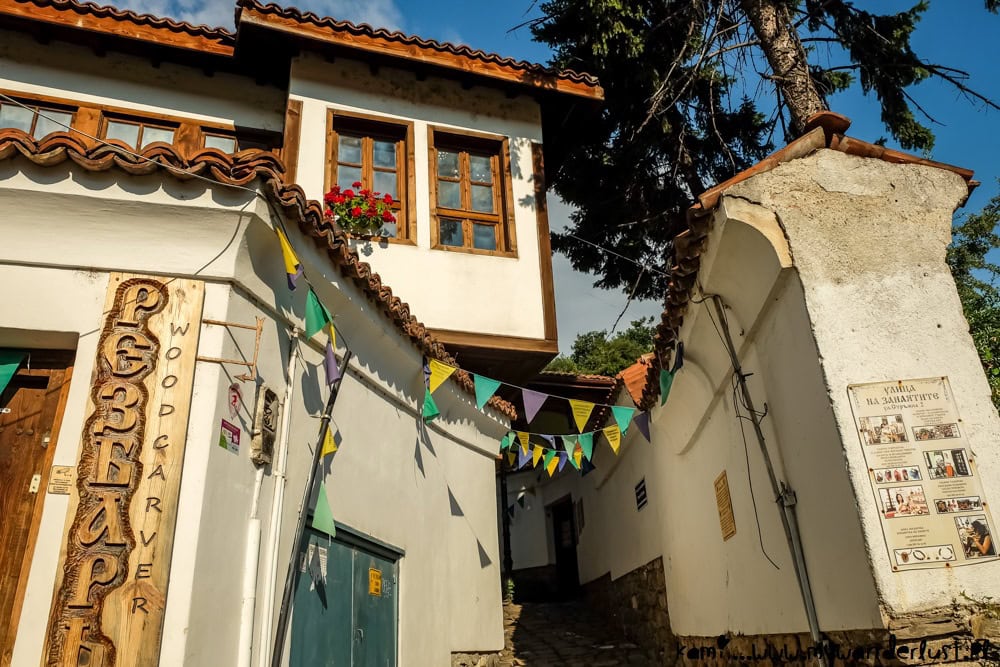
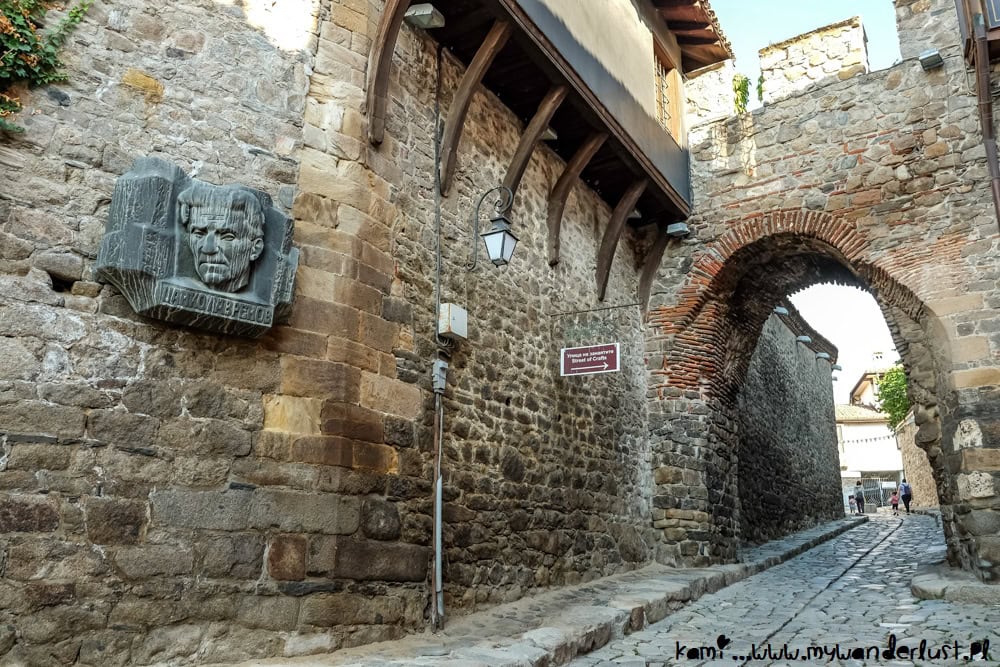
One of the nicest attractions in Plovdiv is the street of crafts. It is hidden in the Old Town (on Stramna Street); the best way to get here is to turn left once you cross the Hisar Gapia Gate.
In traditional houses, you can find a few craft shops selling original, hand-made souvenirs. You can also learn about crafts such as pottery, ironwork, or woodcarving, or even attend workshops. If you are looking for unusual activities in Plovdiv, be sure to check the street of crafts.
Admire the panorama from the Nebet Tepe Hill
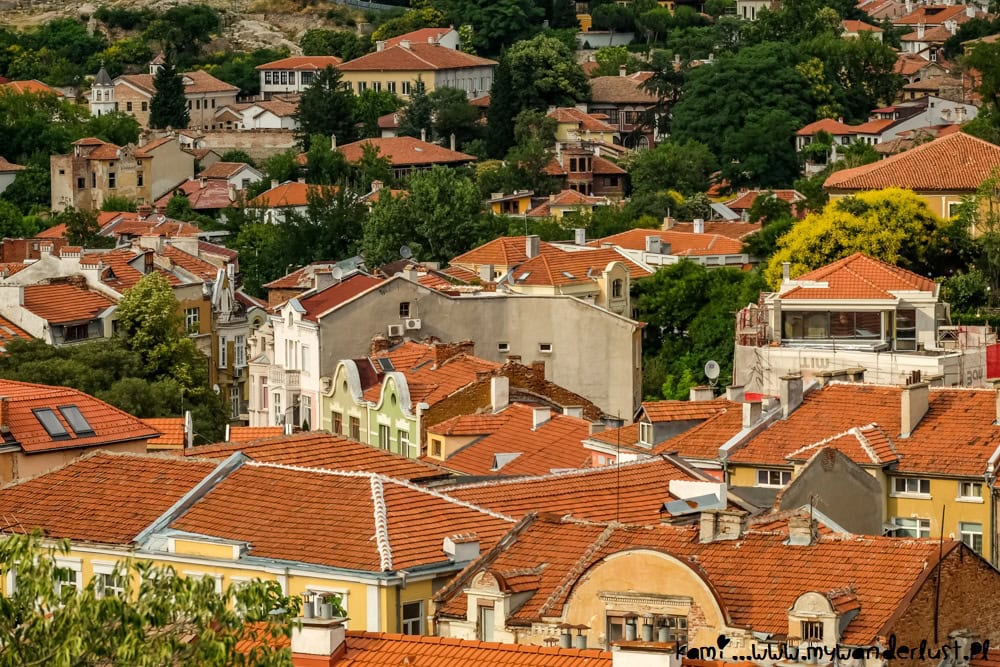
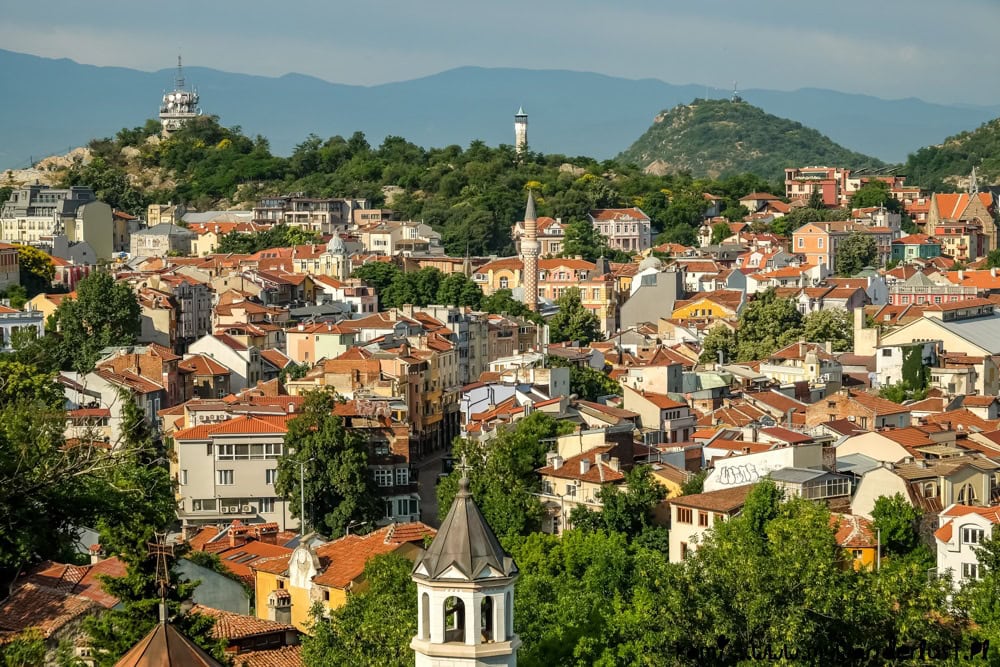
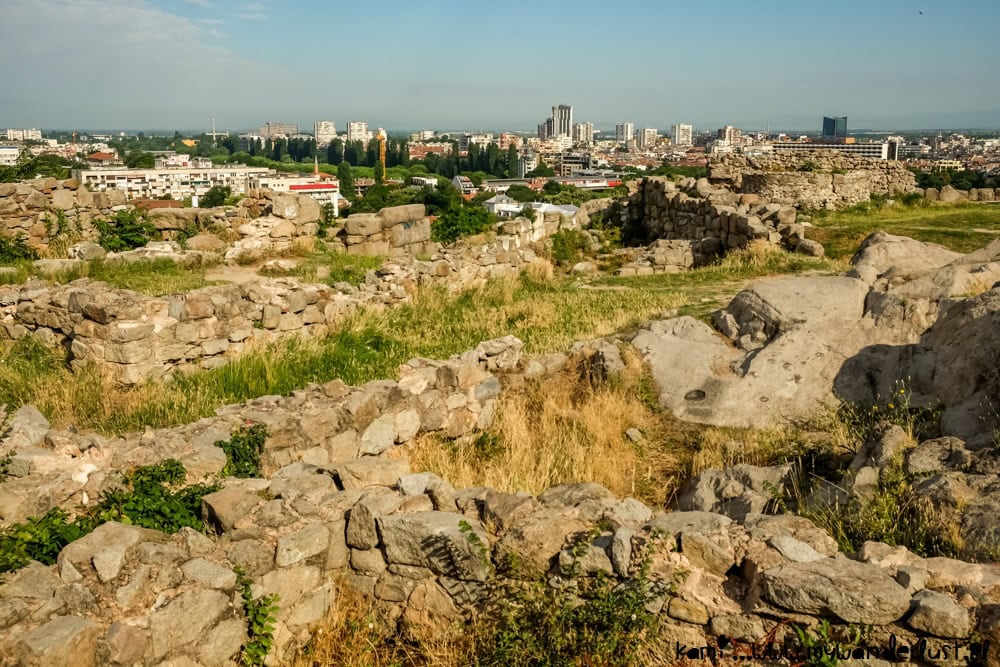
Plovdiv is known for its location on the seven hills. One of the most important ones, with a beautiful panorama of the city, is Nebet Tepe. This is where the ancient town was founded, with traces of settlement dating back to 4000 BC.
Today, you can still find remnants of the city walls and watchtowers that were used to protect the town. Besides its historical significance, Nebet Tepe is worth visiting for its vista, with the central part of Plovdiv right in front of you. This view never disappoints!
Getting to Nebet Tepe is very easy; the entrance is located at the end of Doctor Stoyan Chomakov Street, the main street going through the Old Town. Just keep walking up after passing the Ethnographic Museum, and you will reach Nebet Tepe Hill.
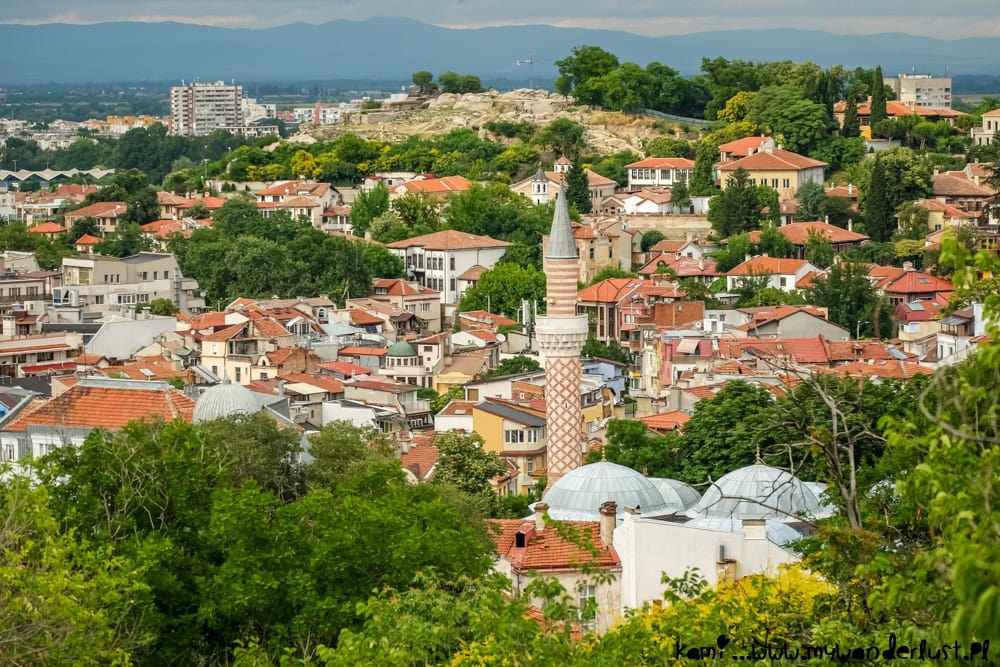
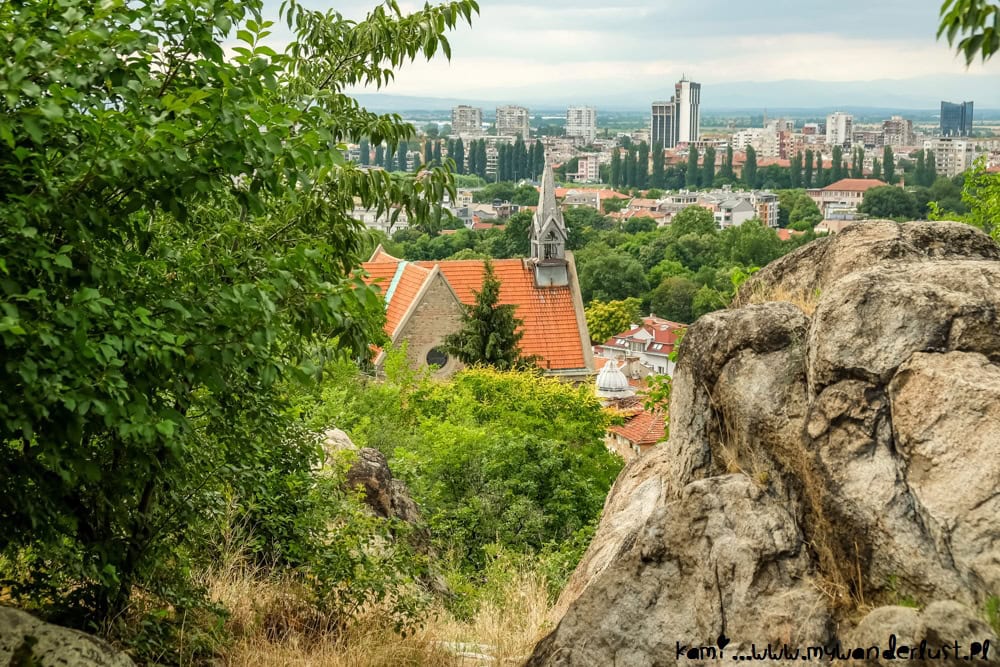
See the view from Danov Hill
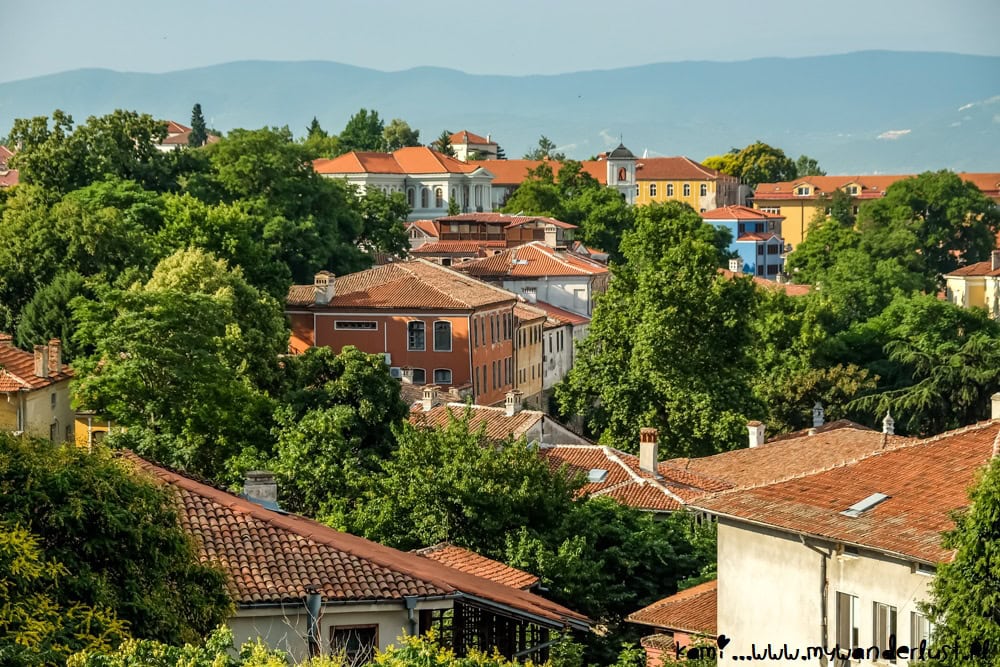
Another great viewpoint of Plovdiv is from Danov Hill (also known as Sahat Tepe). It’s a short walk from the central part of the city, and the panorama is definitely worth a small detour.
You will have an excellent view over the Old Town from here, but it will be from another perspective, with the famous Nebet Tepe on the opposite side. A nice addition to the place is the clock tower, one of the oldest functioning structures of this kind in the Balkans, dating back to the 16th century.
Visit museums
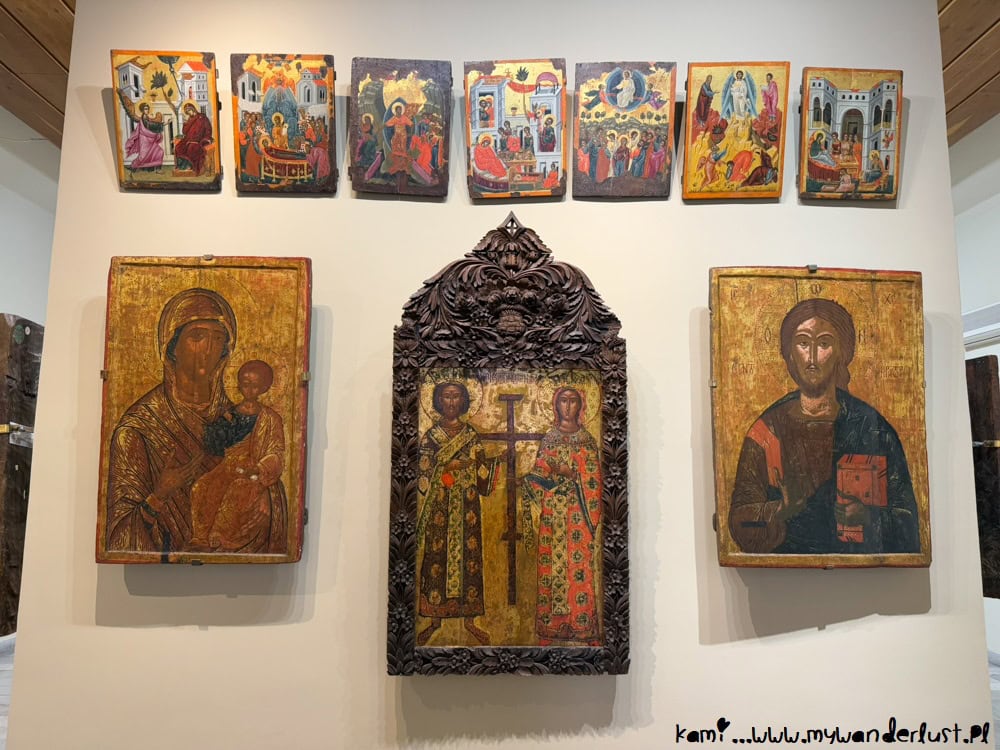
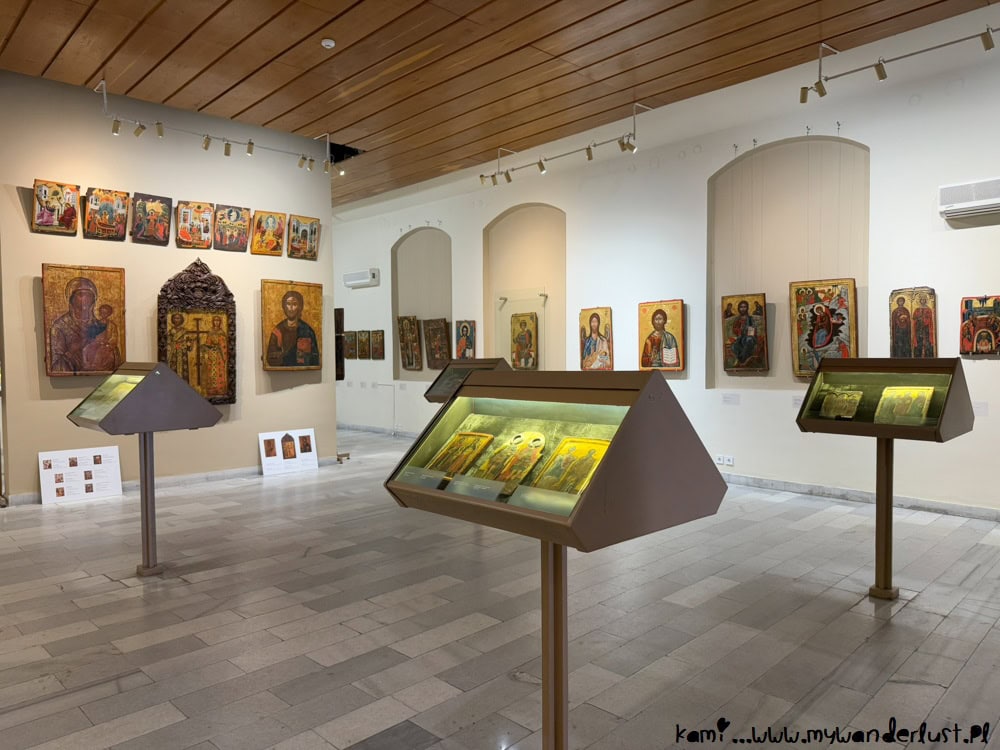
Plovdiv is home to some interesting museums that you can visit during your trip. Some of the ones worth seeing are the Regional History Museums (with different branches), the Regional Ethnographic Museum, and the Regional Archeological Museum, but there are also some smaller ones with good exhibitions. I really enjoyed the City Art Gallery, which featured some amazing old icons on display.
Wander around the Old Town and the pedestrian center
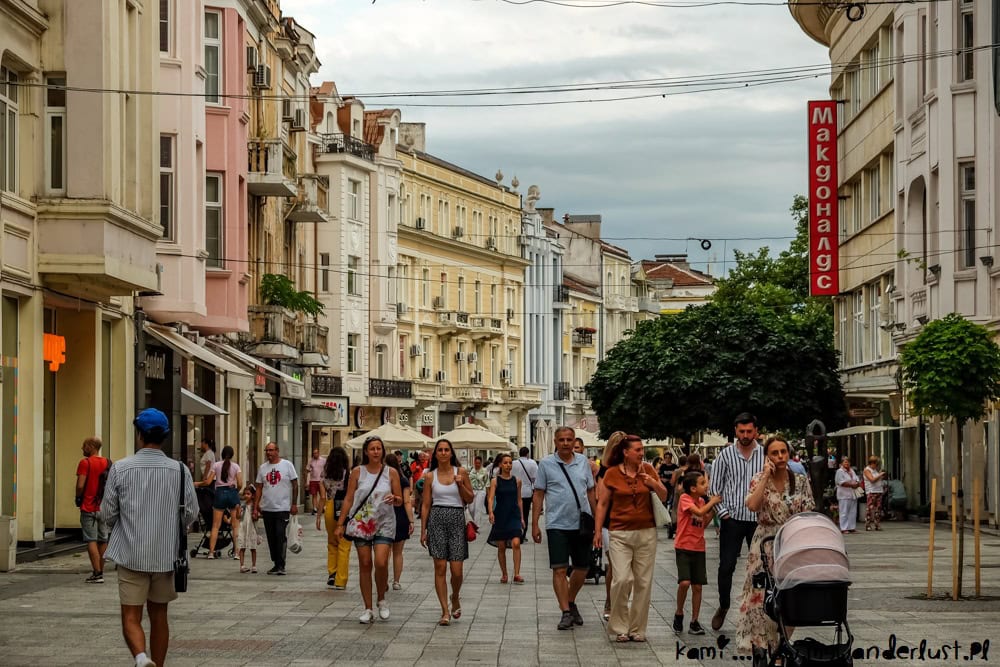
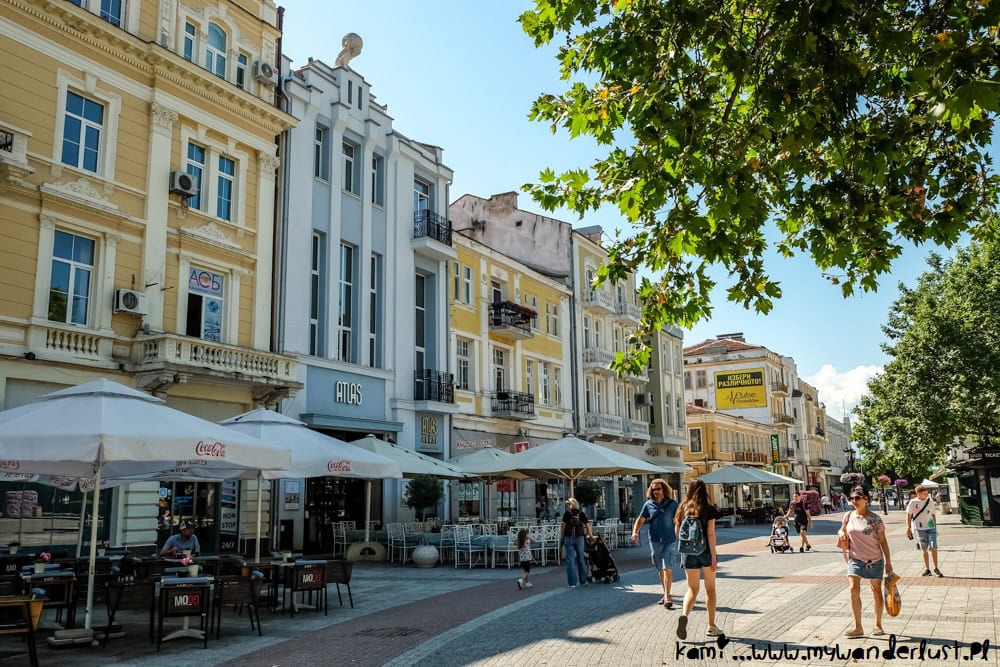
One of the best things to do in Plovidv is to simply wander around the Old Town and pedestrian center and enjoy the place. It’s vibrant, with beautiful buildings along the way and numerous charming corners you can stumble across. Wander around with curiosity, as you never know what kind of interesting things you might find around.
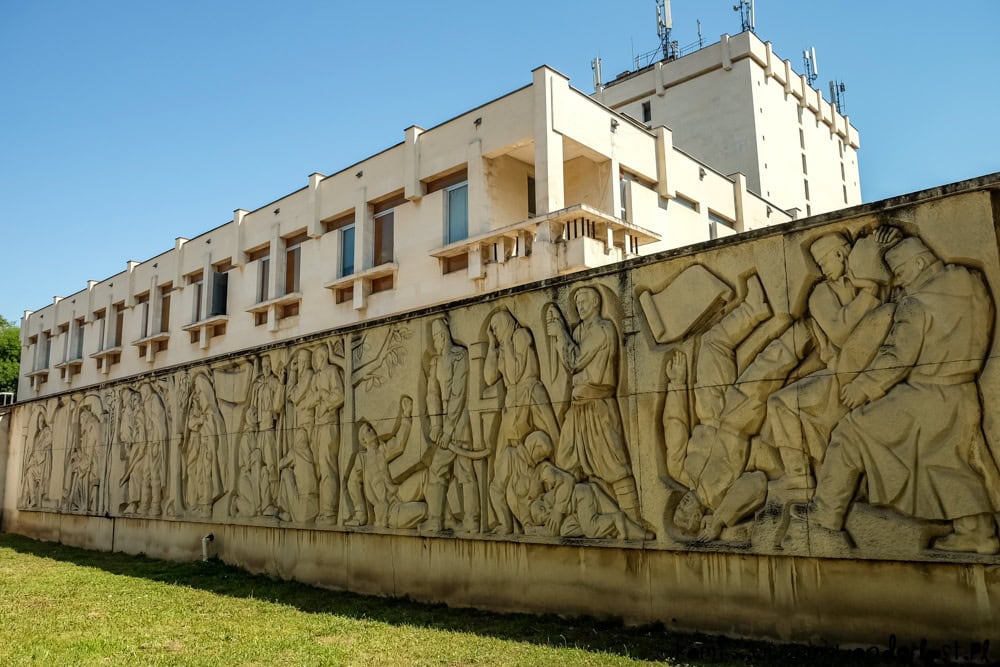
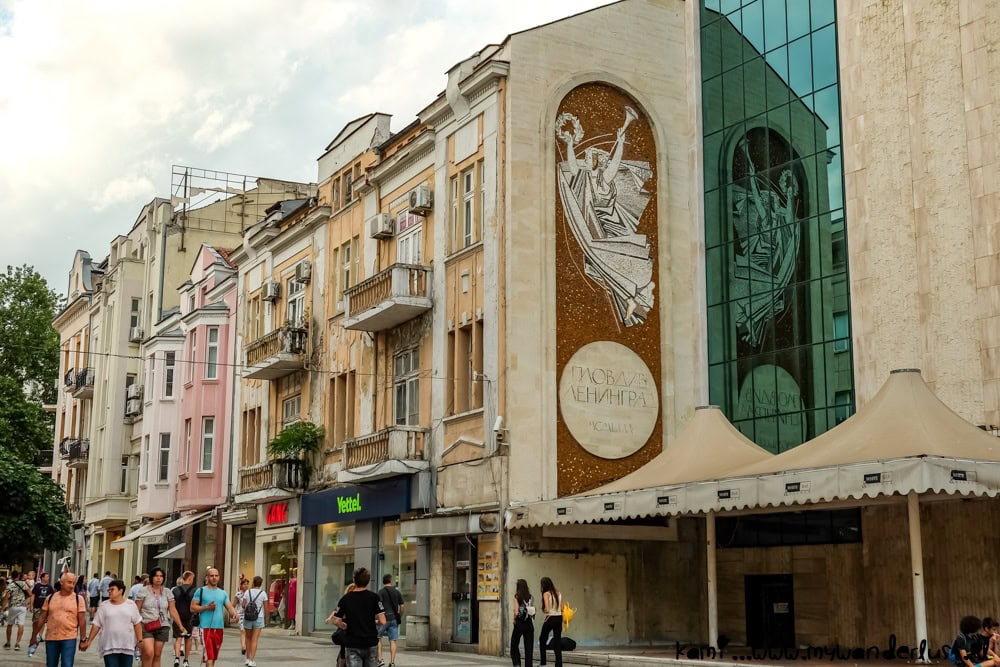
There are some great bas-reliefs (which are typical for Bulgaria, they show important scenes and people from the history of the country), interesting sculptures, and even more old remnants. The main pedestrian street in the center, Knyaz Alexander I, is where you will find most shops if you need some things.
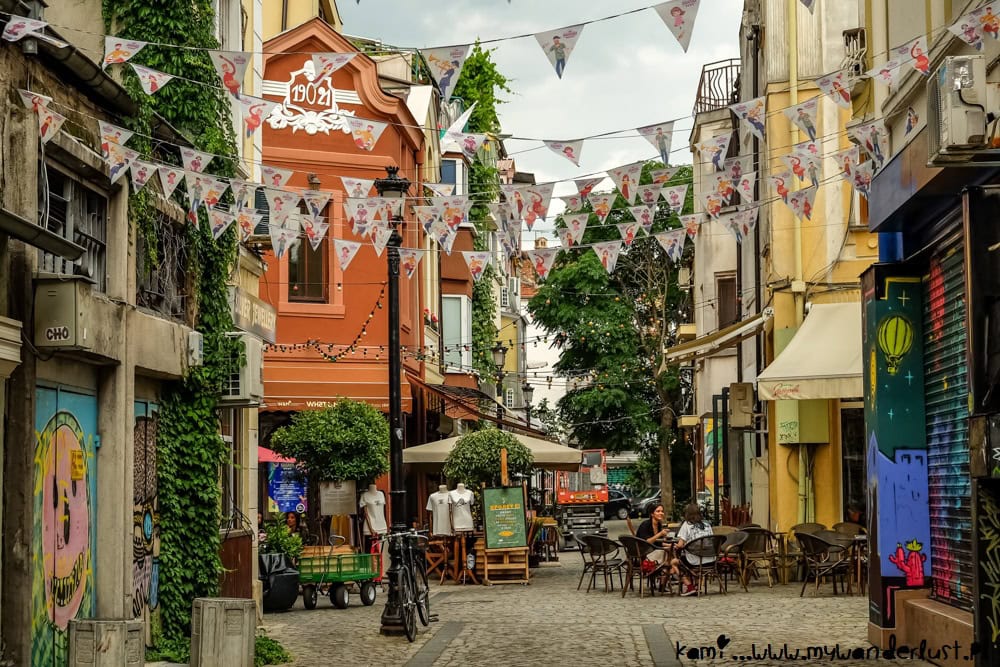
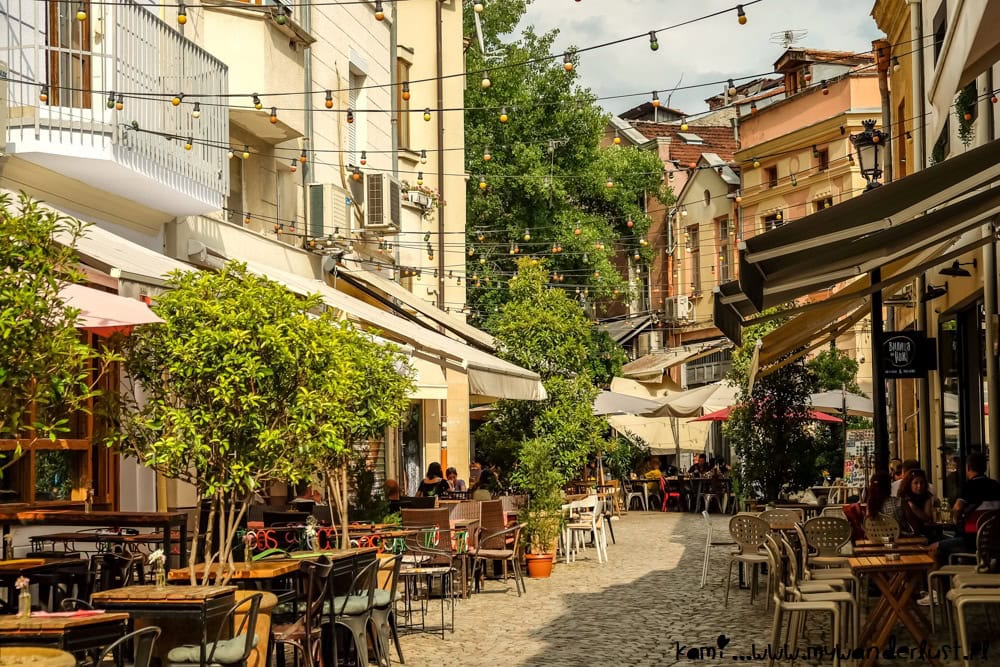
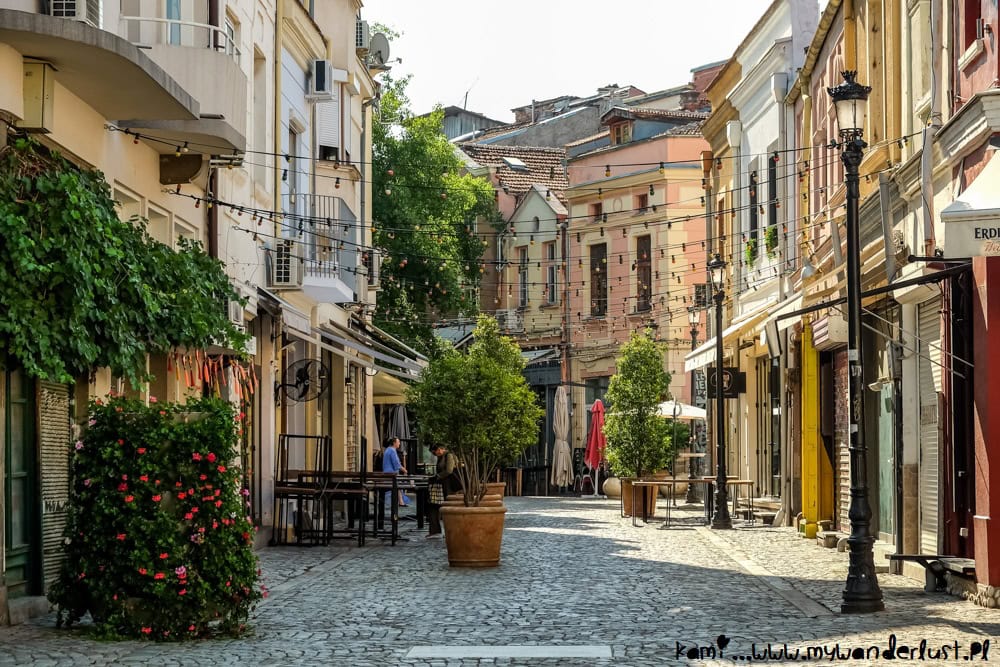
Enjoy the cool Kapana district
At the edge of the Old Town, you can find the Kapana district – a creative center of Plovdiv. This part of the city has a long history as a craft hub, established exactly for that purpose over five hundred years ago. To this day, some of the streets here retain their original names, such as Blacksmith Street or Furriers’ Street.
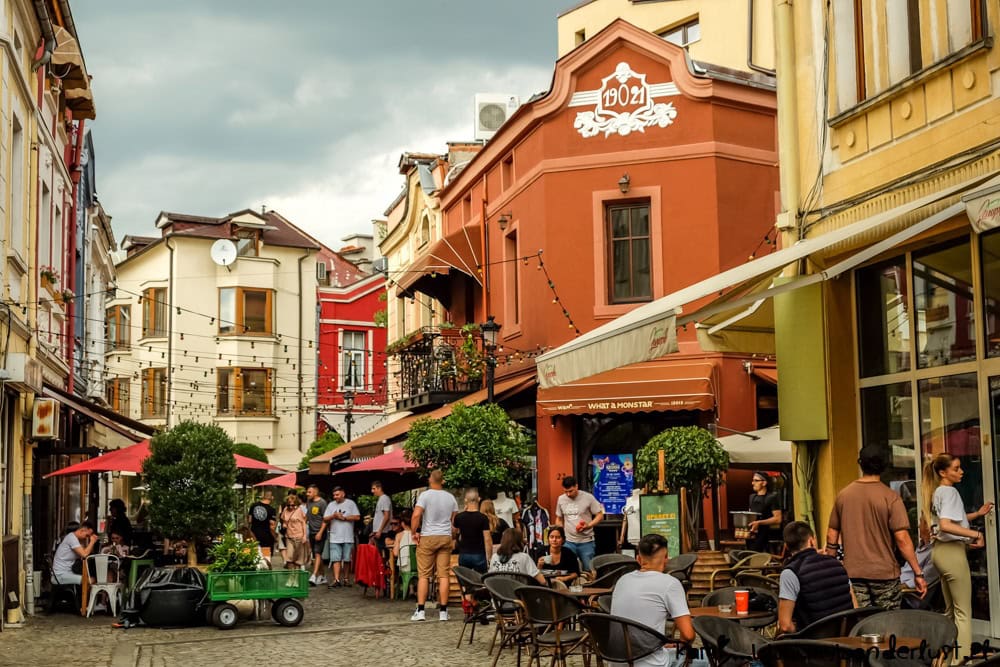
When Plovdiv became the European Capital of Culture in 2019, Kapana got its second chance as a creative and cultural place for locals. In beautiful 19th-century houses, you can find numerous restaurants, galleries, art studios, craft shops, and more. The walls are often adorned with murals, and the overall, vibrant, joyful atmosphere is a real treat. Once you are done with Plovdiv sightseeing, this is a place to hang out and relax!
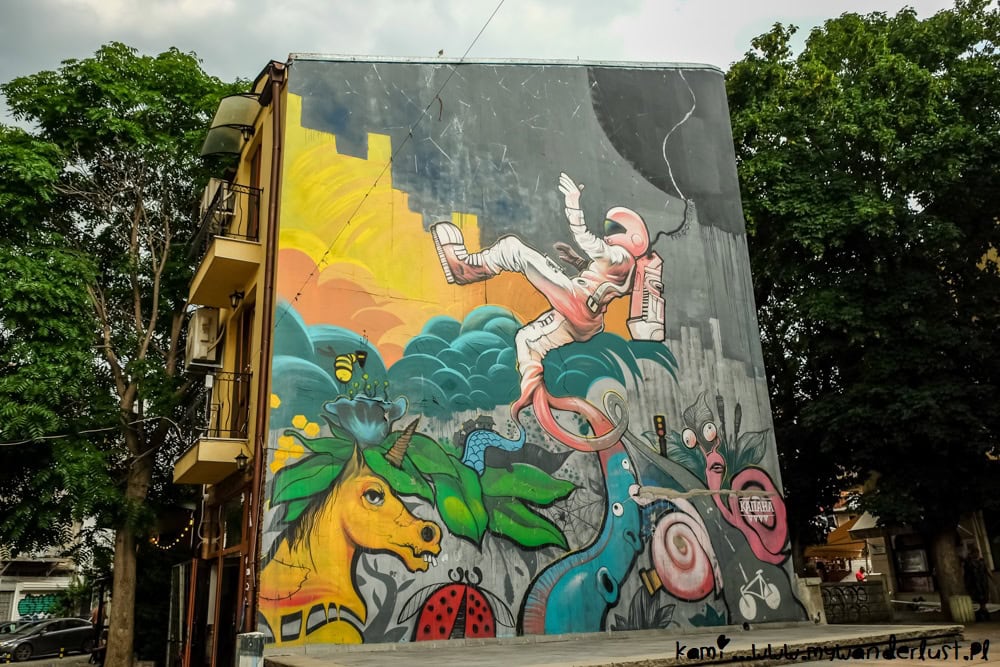
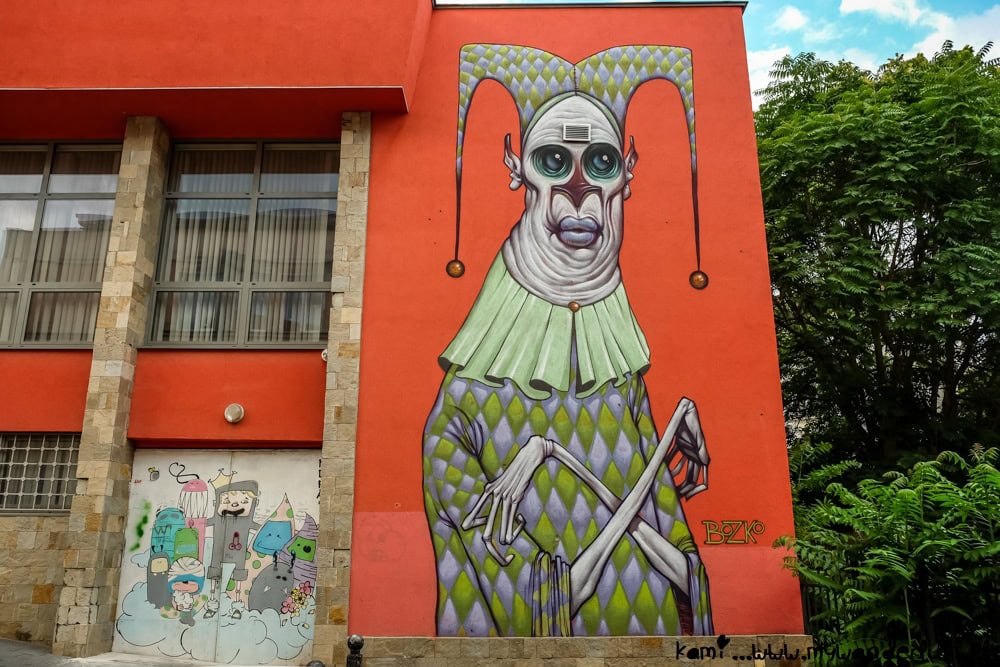
Find great street art
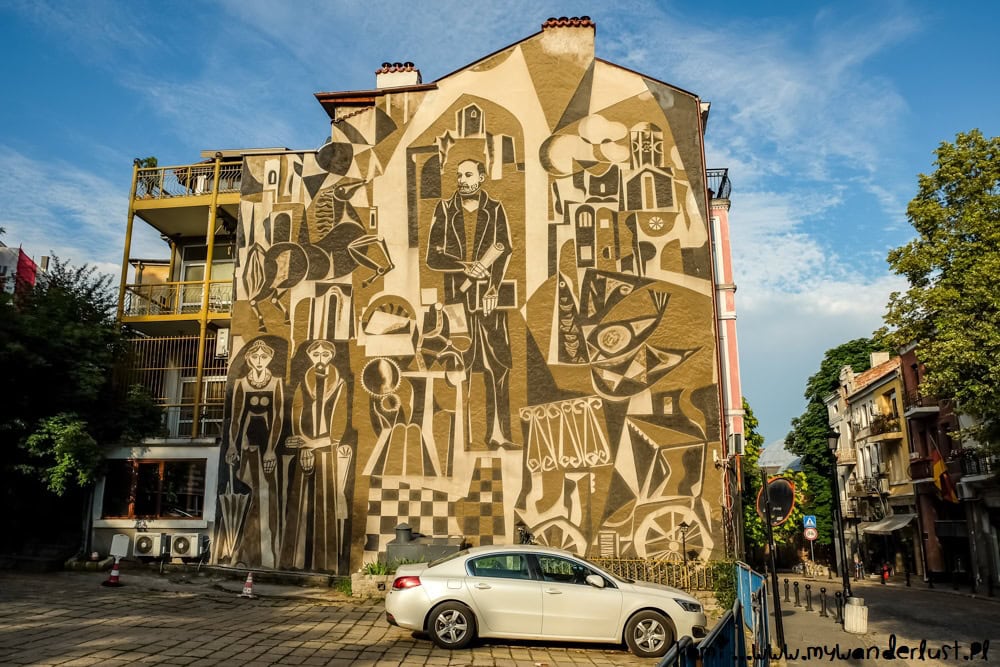
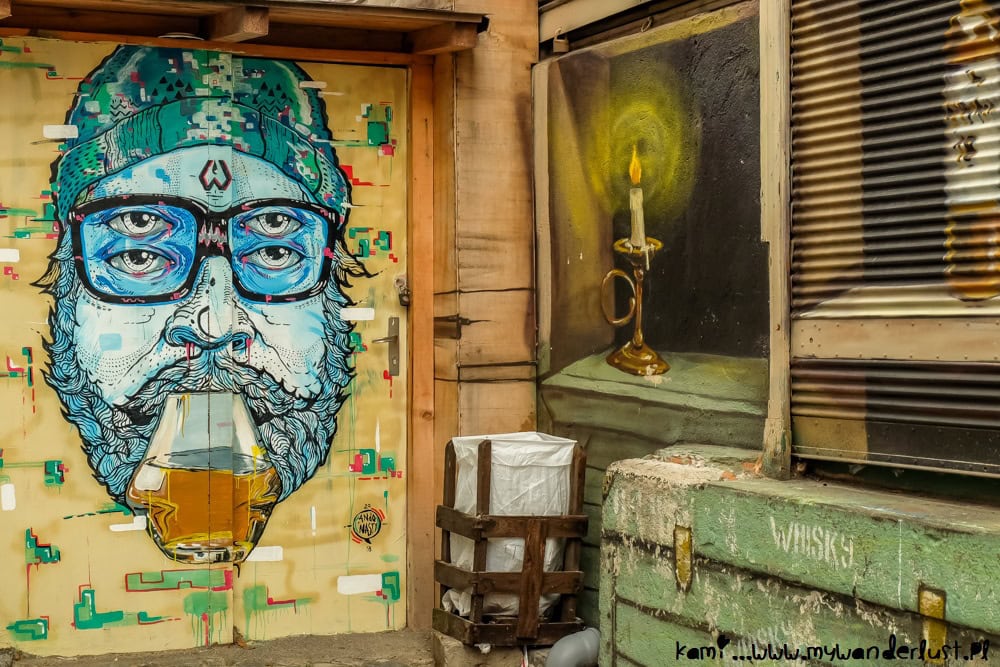
With a large young population and a big creative impact, Plovdiv has a wonderful street art scene. If you like beautiful murals and great graffiti, you will not be disappointed. You will find many cool works in Kapana, but there are more all over the city; you just need to look around to find them.
One of the places where I stumbled across some interesting murals was Nayden Gerov Street, close to the city hall. But there are so many more good street art pieces in Plovdiv!
See the Alyosha monument
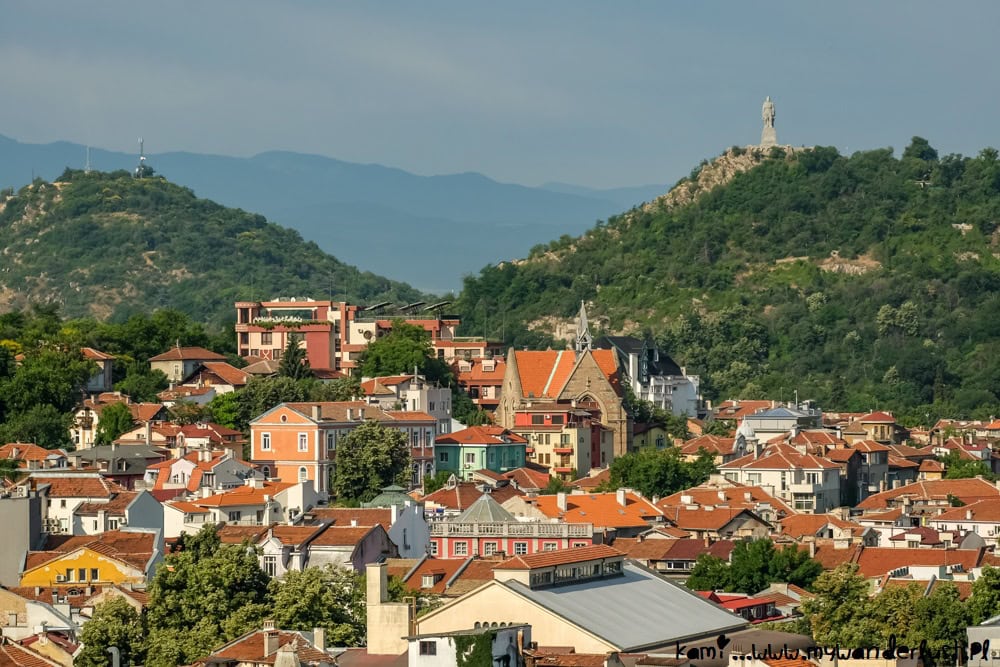
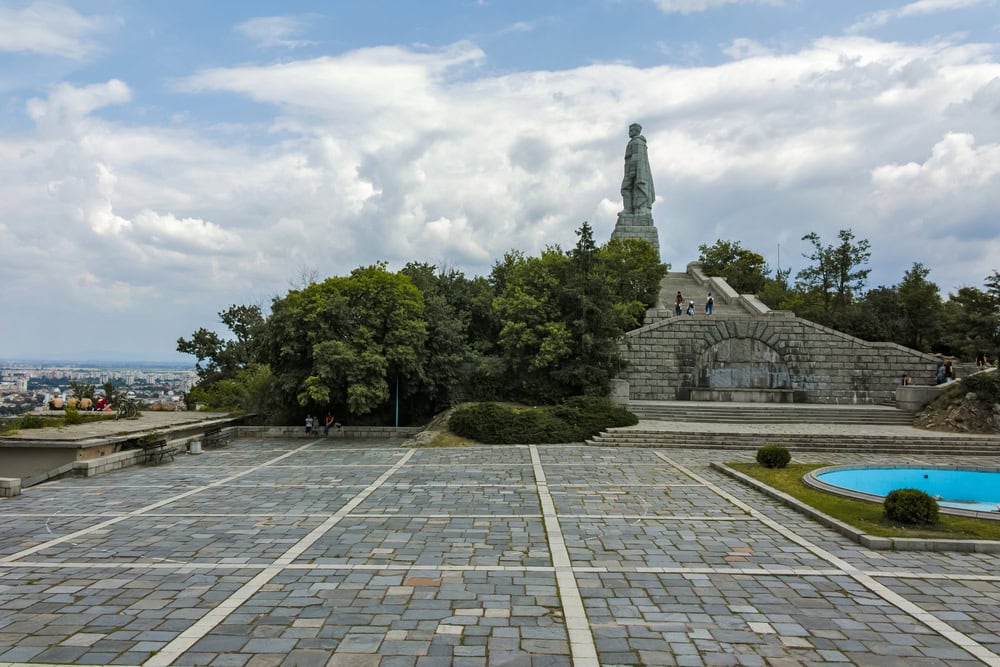
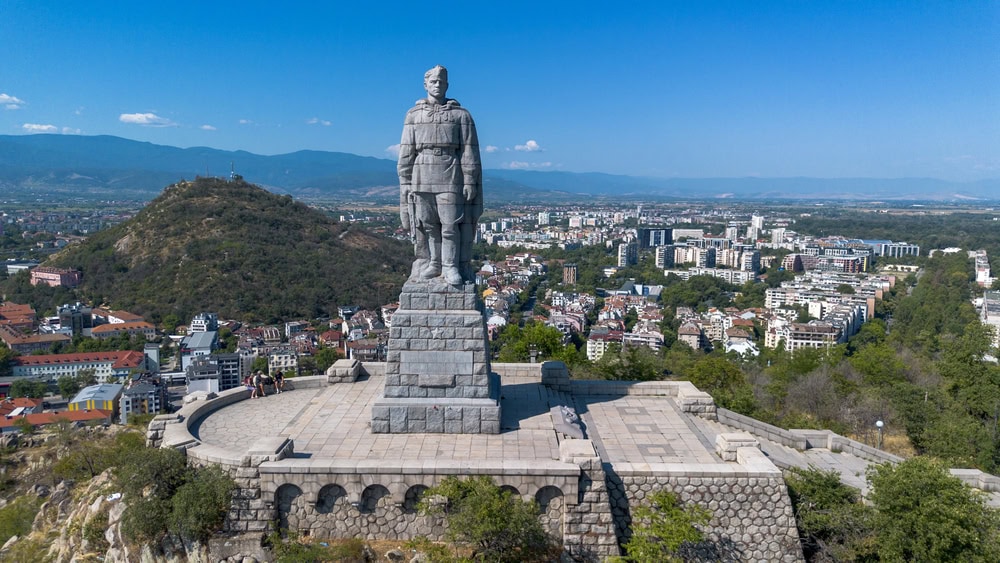
When looking at the hills surrounding Plovdiv, one with the large monument on top will catch your attention right away. That’s Alyosha – the monument commemorating Soviet soldiers who died during the German occupation of Bulgaria in World War 2.
While the monument is rather controversial in the current times, the real reason to go and see it from up close is the view from the Bunarjik Hill it is located on. The view up there is a bit more challenging than on the other hills in Plovdiv, but from the top, you can see the city in all its glory, not just the Old Town.
Relax in the Tsar Simeon Garden Park
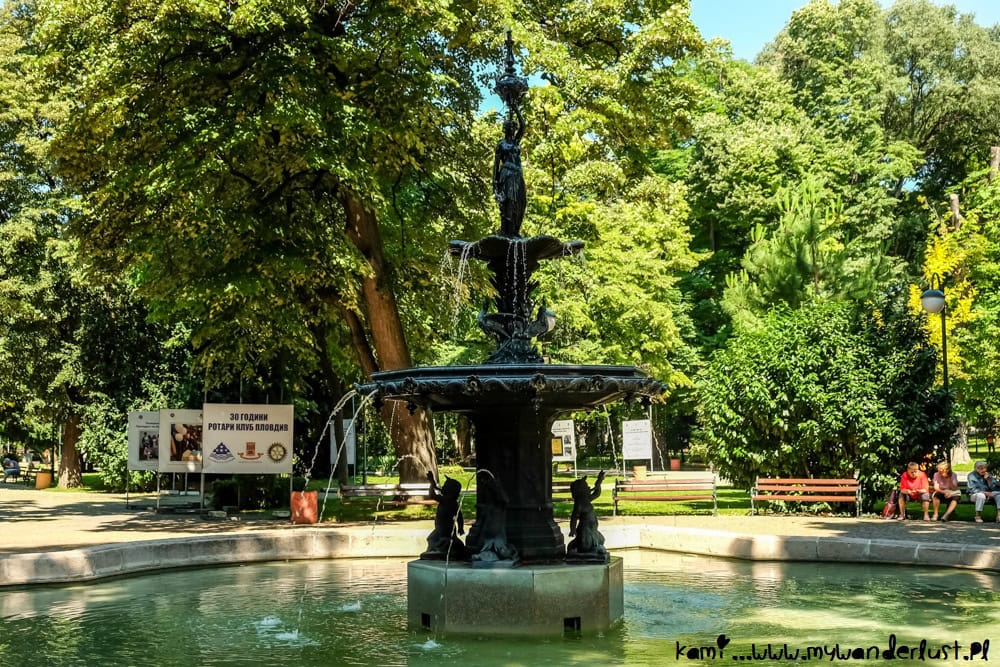
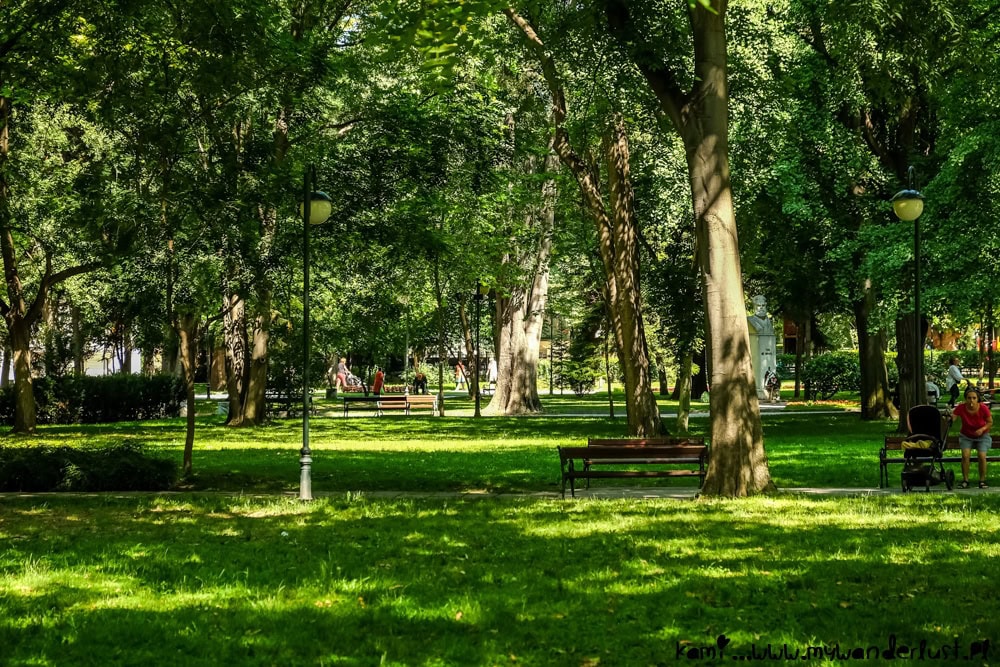
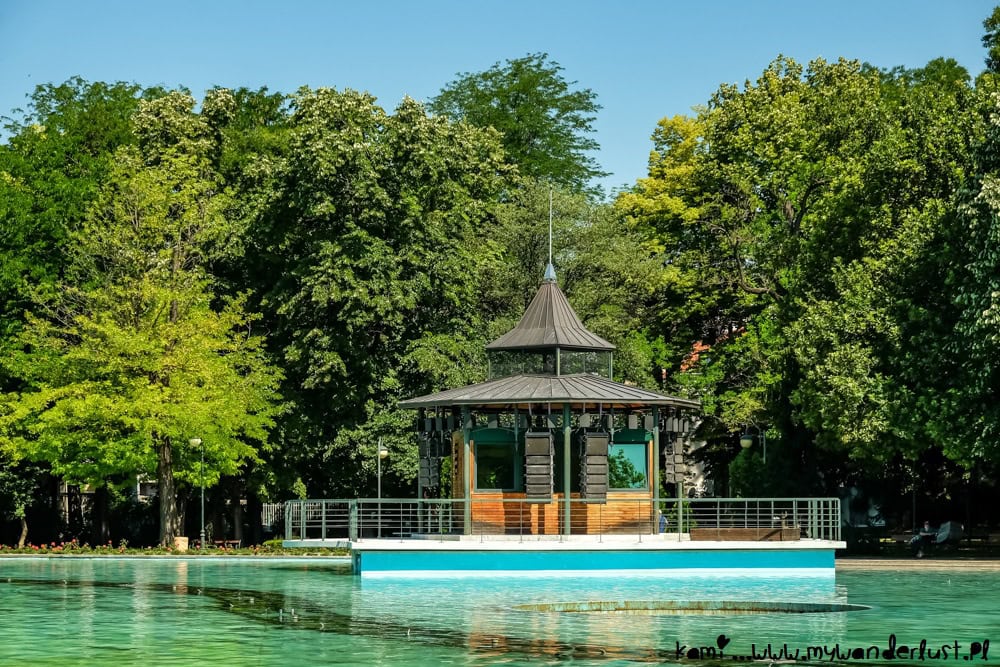
If you are looking for a green space to relax in after the busy day of Plovdiv sightseeing, head to the Tsar Simeon Garden Park, located at the edge of the center (you can enter it from next to the Roman Forum ruins). It’s a large area, designed in 1892 by the Swiss landscape architect Lucien Chevalas, and it still impresses today.
There are plenty of lanes lined with trees, with benches all around where you can sit down; you will also find some nice fountains and monuments around that add to the appeal of the place. But the real highlight of the Tsar Simeon Garden Park is the Singing Fountains, with shows every Thursday, Friday, and Saturday at 9:30 p.m.
Enjoy Bulgarian food
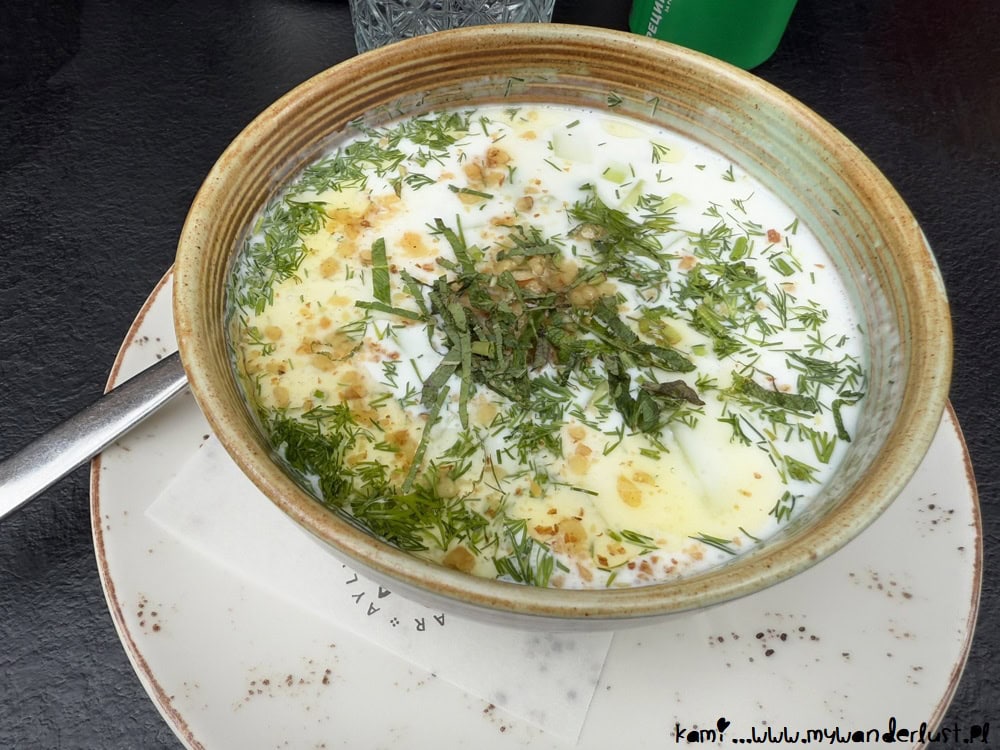
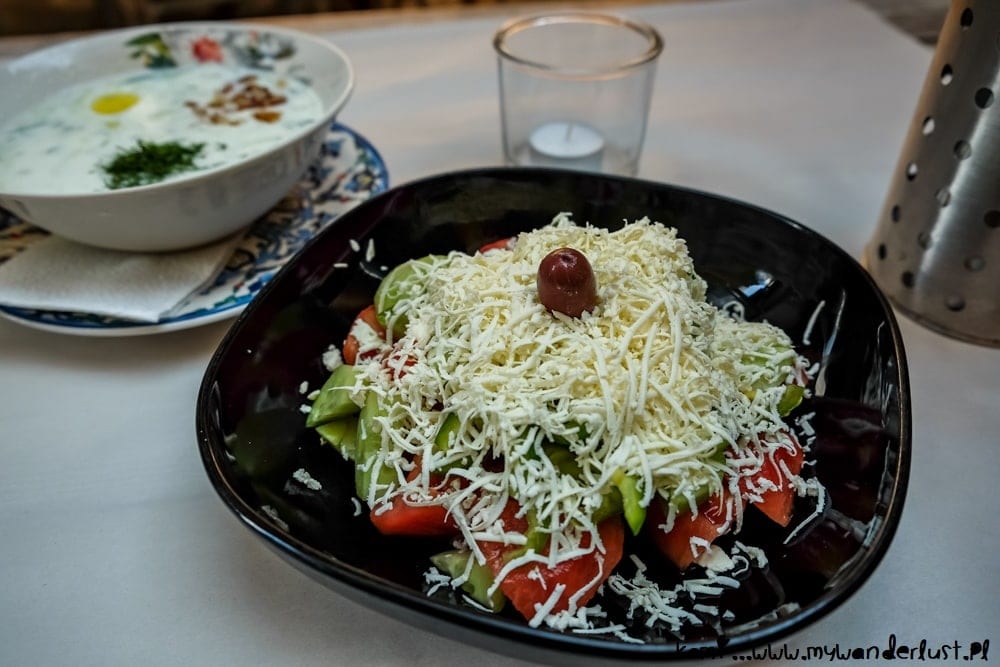
Bulgarian food is amazing and, in my opinion, one of the most underrated cuisines in the world. There are so many delicious dishes you can try, many of them vegetarian. When visiting Plovdiv, be sure to eat out at places serving local food so you can see for yourself what a treat it is.
Some of my favorite Bulgarian (vegetarian) dishes are shopska salat, tarator, fries with cheese, and stuffed vegetables, but there are so many other amazing options to choose from.
Find brutalist architecture
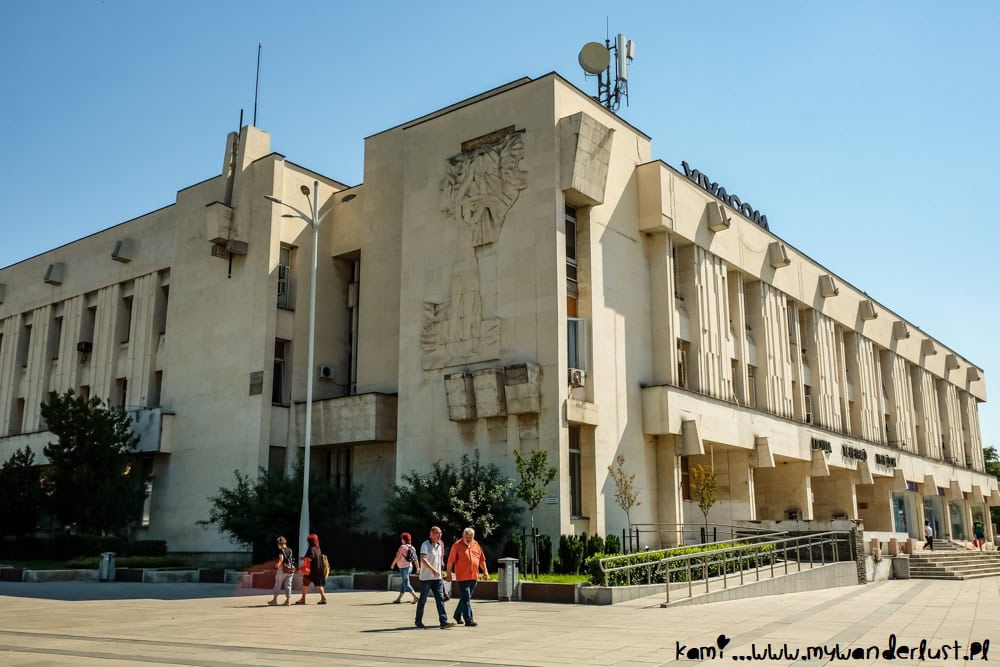
If you’ve been following my blog for a while, you know I am a fan of 20th-century architecture, including brutalism and socialist modernism. While in Plovdiv, the buildings of these styles aren’t as impressive as in other parts of Bulgaria (like Varna or Shumen), they are still worth paying closer attention to.
My favorite finds were the Central Post Office and the “Ivan Vazov” National Library, but there are other great sites, like the Fraternal Barrow Memorial Complex or the already-mentioned Alyosha monument.
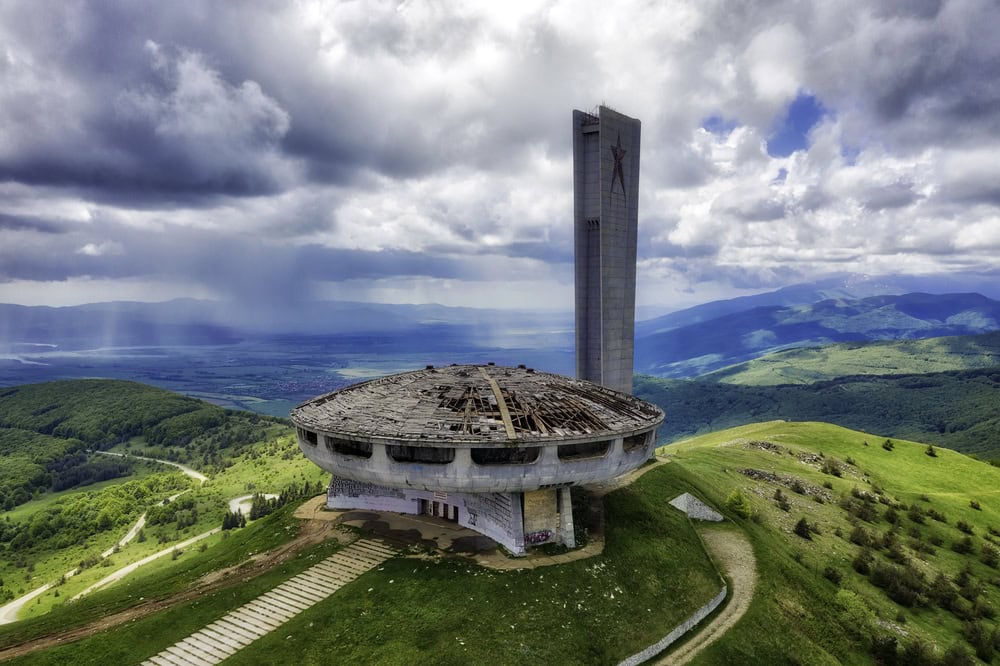
Not far from Plovdiv, you can also visit the Buzludzha monument, which is a real masterpiece of brutalist architecture in Bulgaria.
Visiting Plovdiv – practical information
Where is Plovdiv
Plovdiv, the second-largest city in Bulgaria, is located in the central part of the country. Sofia, the capital, is 150 km west of Plovdiv and the Black Sea coast, and the city of Burgas is 250 km east.
How to get to Plovdiv
Plovdiv has its own airport, but there are only a few low-cost flights there. It’s better to fly to Sofia or Burgas and then take a train or bus to Plovdiv. You can also get there by bus from Veliko Tarnovo (another highlight of Bulgaria) or by direct train from Varna (another popular destination at the seaside).
If you decide to visit Plovdiv on a day trip from Sofia, here are the recommended tours:
- Plovdiv Small Group Full Day Guided Tour from Sofia
- Plovdiv – Group Day Trip from Sofia
- From Sofia: Rila Monastery and Plovdiv Day Trip
- Plovdiv and Koprivshtitsa Full-Day Trip
How to get around Plovdiv
All the main Plovdiv attractions are located in the center of the city, not too far from each other, so you can easily walk between them. The bus and train stations are a bit farther away, but still reachable in 20 minutes on foot.
Where to stay in Plovdiv
Since Plovdiv is a popular destination, there are plenty of fine places to stay. Here are the recommended accommodation options in Plovdiv:
- Plovdiv City Center Hotel (9.4/10)
- Villa Flavia Heritage Boutique Hotel (9.9/10)
- Hotel Evmolpia (9.6/10)
- and many more!
Where to eat in Plovdiv
There are plenty of good cafes and restaurants in Plovdiv Old Town. You will find the best ones in the Kapana district, so that’s where you should head to if you get hungry. There’s also a Billa supermarket in the Hali shopping Center, next to Kapana.
If you found this article useful, I would really appreciate a small donation to help me run this website and provide you with even more practical content to help you plan your trips.

You can also subscribe to my newsletter to get updates on new articles I publish; just click here.
Further reading
I published many articles about Bulgaria that you might find useful when planning your trip there. Here are some of them:
- 23 Amazing Places to Visit in Bulgaria
- Bulgaria itinerary – what to see in Bulgaria in 2 weeks
- 19 Amazing Things to Do in Sofia, Bulgaria
- 11 Wonderful Day Trips from Sofia, Bulgaria
- Koprivshtitsa, Bulgaria – is this the prettiest town in the country?
- 7 Perfect Things to Do in Sozopol, Bulgaria
- 9 Great Things to Do in Burgas, Bulgaria
- Why you should visit Shumen, Bulgaria
- and more!
If you are looking for articles about a specific destination – check out the map with all the articles I’ve published (and their locations). You can also join my Facebook group about traveling in the Balkans and ask your questions there.
Travel Resources
Below you can find the brands I trust and use when planning trips:
- You can find the best accommodation options at Booking. They have many discounts and excellent customer service. Click here to look for the place to stay in Bulgaria
- I recommend joining organized tours to get to know the place better and to visit more places during your trip. You can find a great selection of tours at Viator or Get Your Guide.
- Stay connected with Airalo eSim card – use my code “KAMILA1947” to get $3 off your first order!
- For transportation and booking tickets online, I usually use 12Go or Omio
- Looking for the airport pickup? Check Welcome Pickups!
- Never travel without travel insurance, you never know what might happen and better safe than sorry. You can check the insurance policy for Bulgaria here.
- If you plan to rent a car during your trip to Bulgaria check Discover Cars to compare prices and find the best deals
- Make sure to have the offline map always installed on your phone, they can save you so many troubles. I always use the free app Maps.Me.
For the end I left a few announcements that might interest you:
- Sign up to my newsletter or follow me on Bloglovin to get updates about the new posts
- Join my Facebook group about Eastern Europe, the Balkans and former USSR and connect with fellow travellers and enthusiasts of these regions – just click here!
- I’ve included a few handy links of services and products I personally like and use so you can plan your own trip to Bulgaria too. They are often affiliate links. This means I will get a small commission if you book/purchase anything through my links, at no extra costs for you. Thank you!
LIKED IT? PIN THIS POST FOR LATER!

If you enjoyed that post why don't you share it with your friends? That would mean so much to me! Also be sure to join 30.000+ fellow travelers and follow me on Facebook, Twitter, or Instagram for travel updates and even more pictures! If you don't want to miss new posts sign up to my newsletter or follow on Bloglovin!
