
All You Need to Know About Visiting Bhutan
Last Updated on 29/11/2026 by kami
I’ve never really considered visiting Bhutan. This unique Asian country seemed to be so far out of my reach that I didn’t even bother thinking I would be able to travel to Bhutan one day. But then a friend of mine had the idea to visit Bhutan and asked me if I wanted to join her. I didn’t hesitate, as there is no better time than now. And even if it was a slightly expensive trip (though not as much as I was afraid of), I don’t regret spending a single penny on it.
Bhutan exceeded all my expectations, and I’m more than grateful I got to visit this amazing place. This is probably the most unique country I’ve ever been to, and I enjoyed discovering it so much. I dare to say visiting Bhutan was one of the most epic and unforgettable trips of my life.
Since many of you followed this trip on my Facebook and Instagram page and I got numerous questions, I’m here to share my experience and dispel all the myths about visiting Bhutan. Planning a trip to Bhutan was actually really straightforward, and I honestly can’t recommend visiting this fascinating country enough. Below, you will find all the necessary info, but if there is anything in particular you would like to know that is not mentioned here, feel free to comment or message me.
How many days you need to spend in Bhutan?
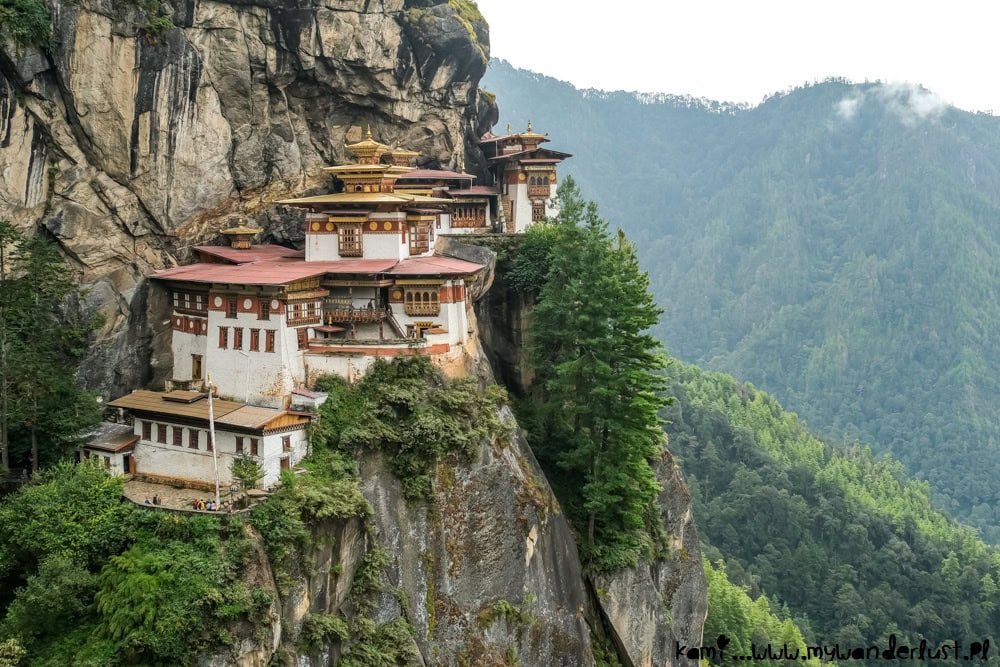
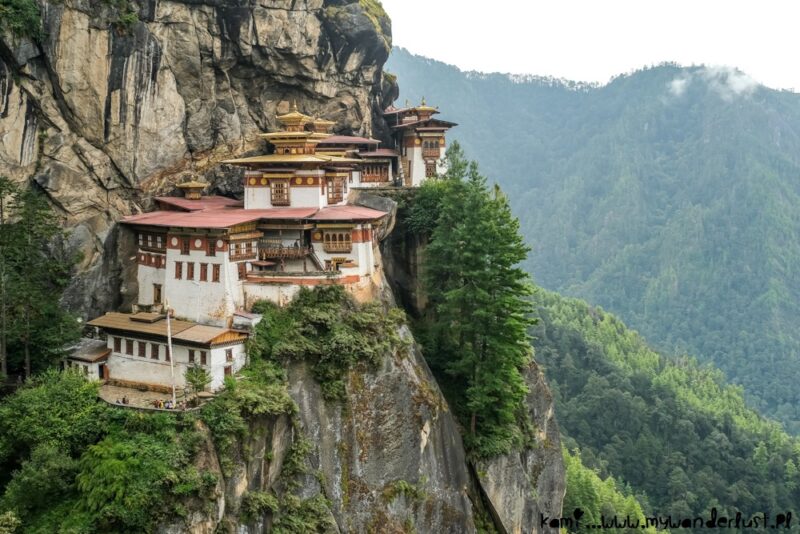
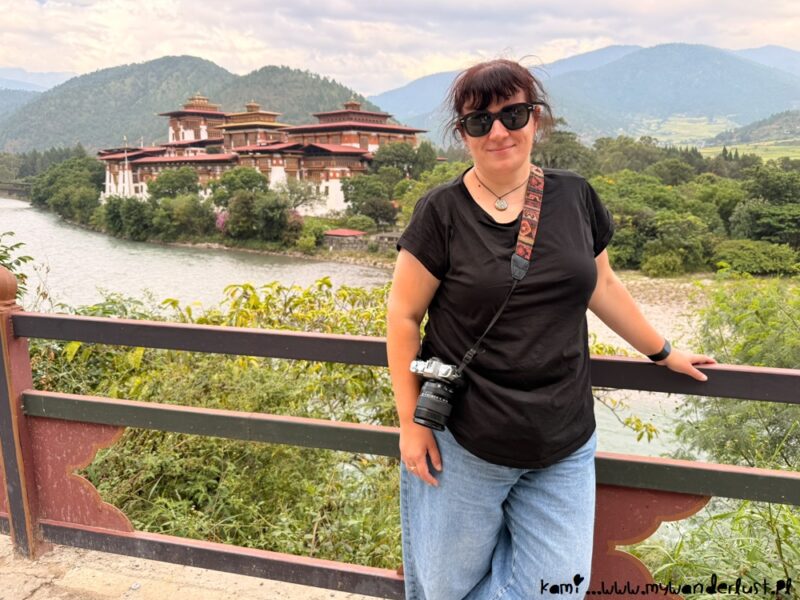
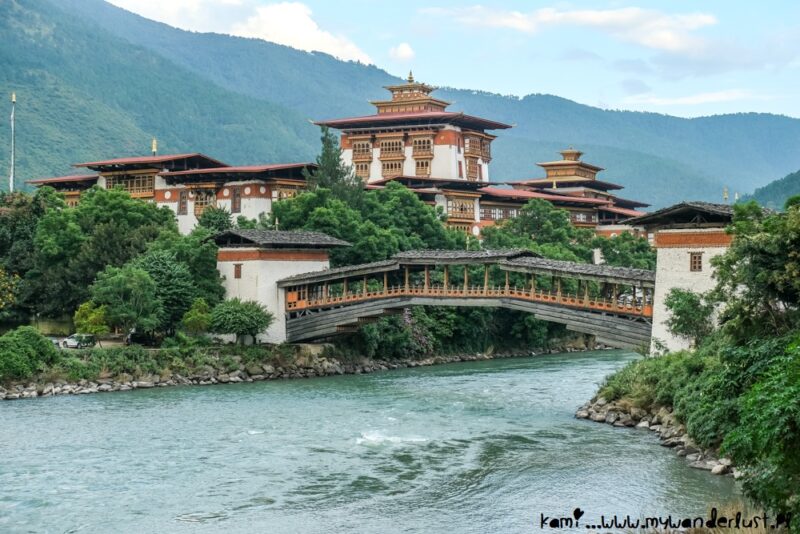
The main tourist attractions in Bhutan are the Tiger’s Nest monastery and the Punakha fort. You need a few hours to get between them (but the scenery along the way is stunning, so the drive isn’t boring). Technically, three days would be enough to see those two highlights, and a few other stops in between (such as Thimphu and Dochula Pass).
However, I recommend spending at least 5 days in Bhutan (which is also how long I’ve been there). This way, you can also see a few other, less popular spots (there were places where there were hardly any other tourists but us). You will also get used to the altitude (which might be the issue) so you can have an easier hike to the Tiger’s Nest on your last day.
My Bhutan itinerary
Technically, we spent 6 days/5 nights in Bhutan, but in reality it was 5 (almost) full days. We arrived on Sunday around 10 in the morning and departed on Friday at 7 in the morning. Here’s our itinerary in detail:
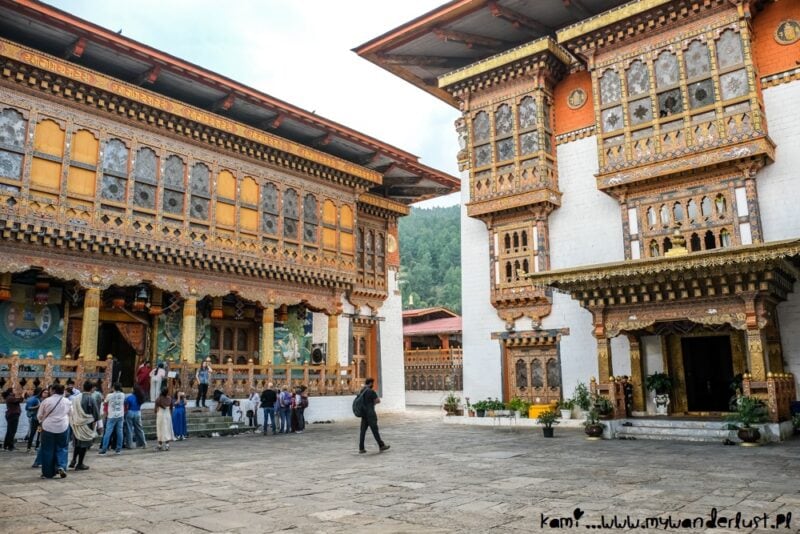
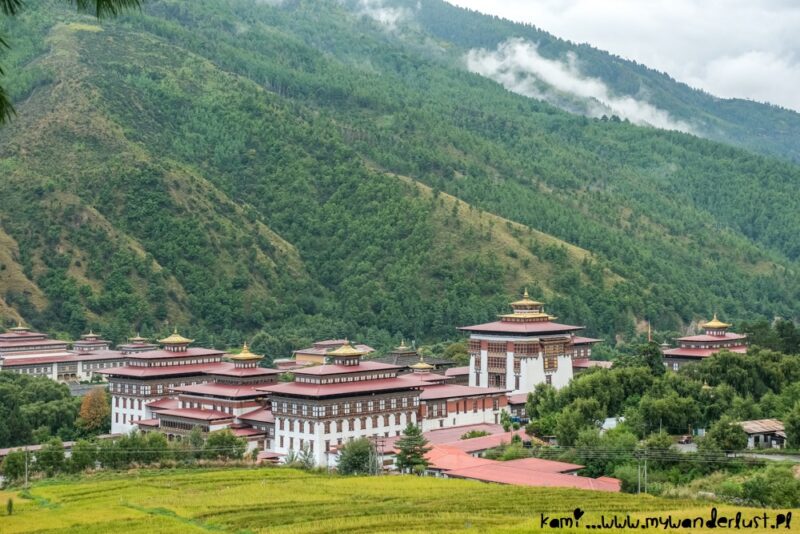
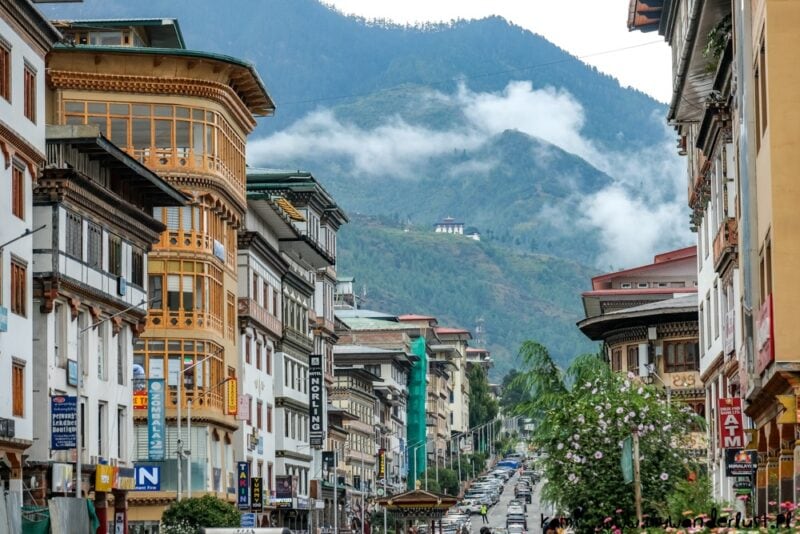
Day 1: Arrival at Paro Airport, transfer to Thimphu with a photo stop at Tachog Lhakhang and Tashichho Dzong, hike to the Wangditse Lhakhang monastery, short walk around Thimphu’s center; night in Thimphu
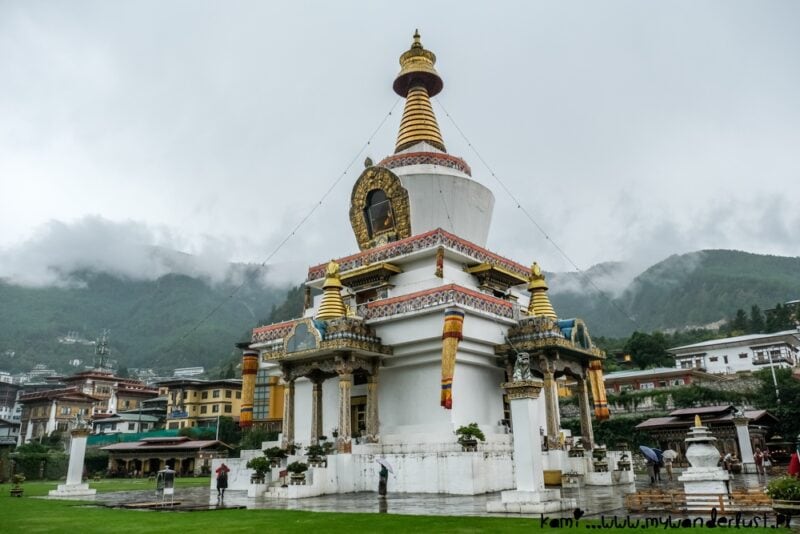
Day 2: Hike to Dodeydrak monastery, sightseeing in Thimphu (Memorial Chorten, Changangkha Lhakhang monastery); night in Thimphu
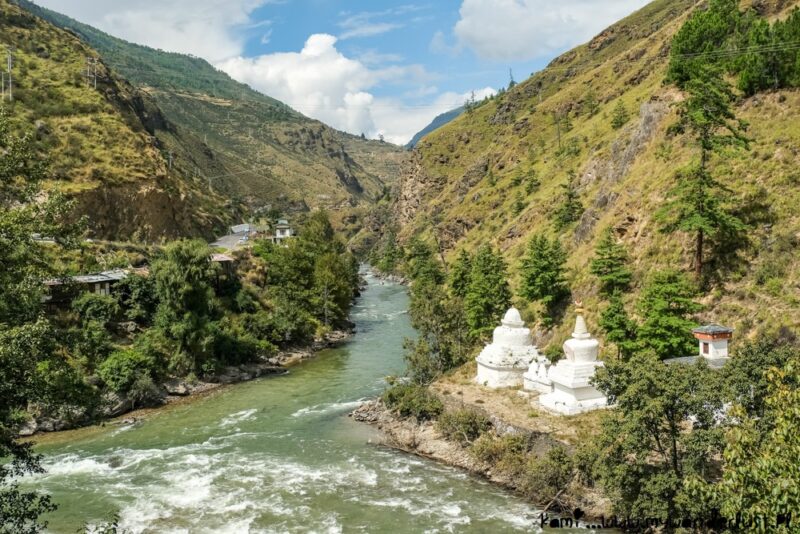
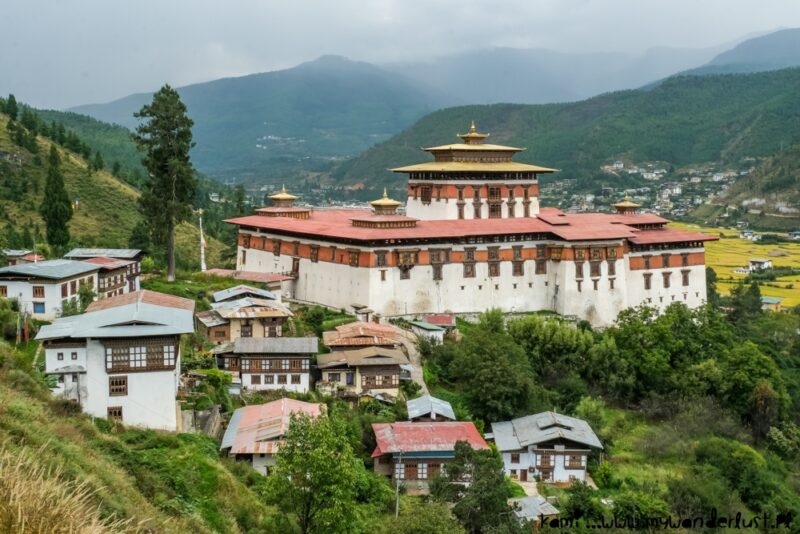
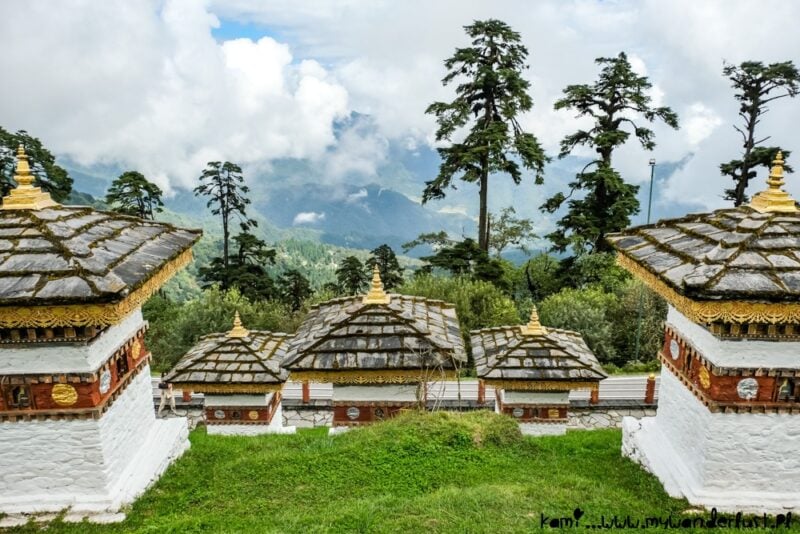
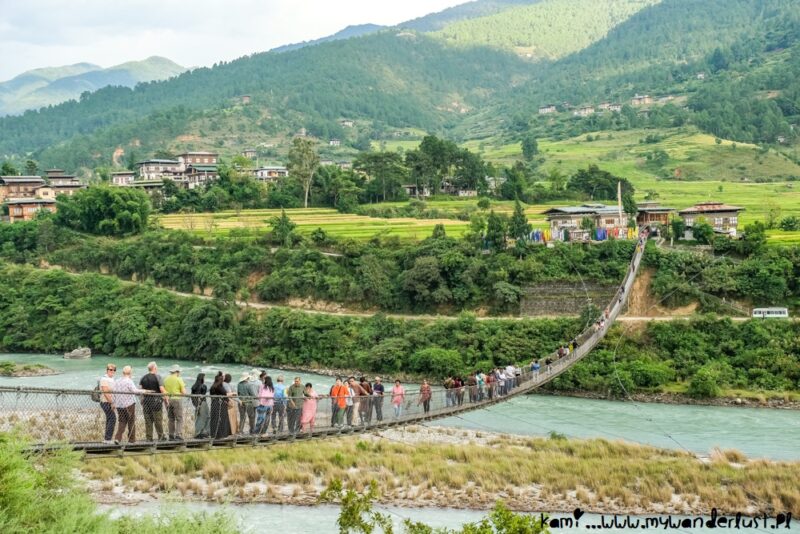
Day 3: Transfer to Punakha, with a stop at Dochula Pass and Chimi Lhakhang monastery; visit to Punakha Dzong and Punakha Suspension Bridge; night in Punakha
Day 4: Transfer to Paro, with a stop at Chhuzom Bridge and Dzongdrakha monastery; visit to the National Museum in Paro and Paro Dzong, souvenir shopping in Paro; night in Paro
Day 5: Tiger’s Nest hike, visit to the Kyichu Lhakhang monastery, hot stone bath; night in Paro
Day 6: Early morning flight to Kathmandu
Bhutan tour price
We paid 1350 USD per person for our tour, which might be a lot, but I think it was a fair price. There were only the two of us, so we could adjust the itinerary to our interests, and we still had a lot of flexibility along the way. With a larger group, this could have been a problem.
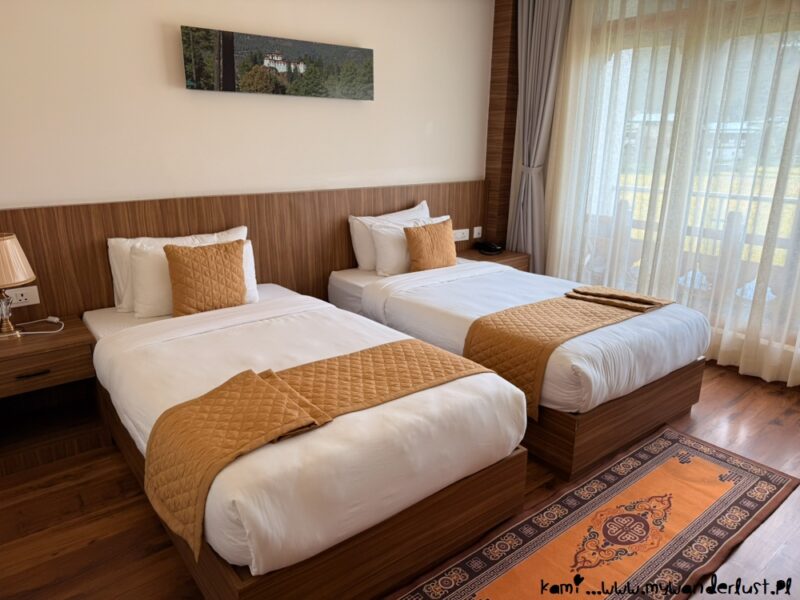
The price is for 6 days/5 nights guided tour and included: accommodation in a double room in hotels (they said they were 3*, but I would say two of them were 4* and one was 3*, but only because it was a bit outdated), full board (breakfast, lunch, dinner), all entrance fees, visa fee and processing, the mandatory sustainable fee (which is currently $100/day but is supposed to go up sometime soon), transportation, lots of bottled water.
We were accompanied by the local guide and driver, and there were only four of us traveling together. They even covered random things, such as public toilets. In Bhutan, we only had to cover our small expenses if we had any; tips for the guide and the driver were also not included.
We had to transfer part of the money (1000 USD) before the trip to secure the booking, and we paid the rest (1700 USD) in cash when we arrived, during lunch with the company’s owner (which was a bit awkward, to be honest).
As for our expenses in Bhutan, we exchanged $100 at the airport for both of us, and after those 6 days we still had a lot of money left, so we tipped the driver in the local currency (and the guide in USD). We only spent a bit on groceries, as there were a few local things we wanted to try and take home with us as souvenirs.
As for the tips for the guide and the driver, it is recommended to give around 80$ for the guide and $50 to the driver. We gave them more because they were excellent, and we had a really good trip with them.
When we observed other tourists (as we crossed paths very often), I can say we were more than lucky with the guys who were assigned to us, as they were very friendly, chatty, spoke very good English, and after a bit of time they were so much fun, joking with us, answering all the questions we had, and telling us so much more about life in Bhutan. We even talked with the mother of one of them over WhatsApp. When they realized we like taking pictures and we take many of them, they added more photo stops to our itinerary. From our observation, other guides were polite and professional, but that’s about it. Ours were that, and so much more.
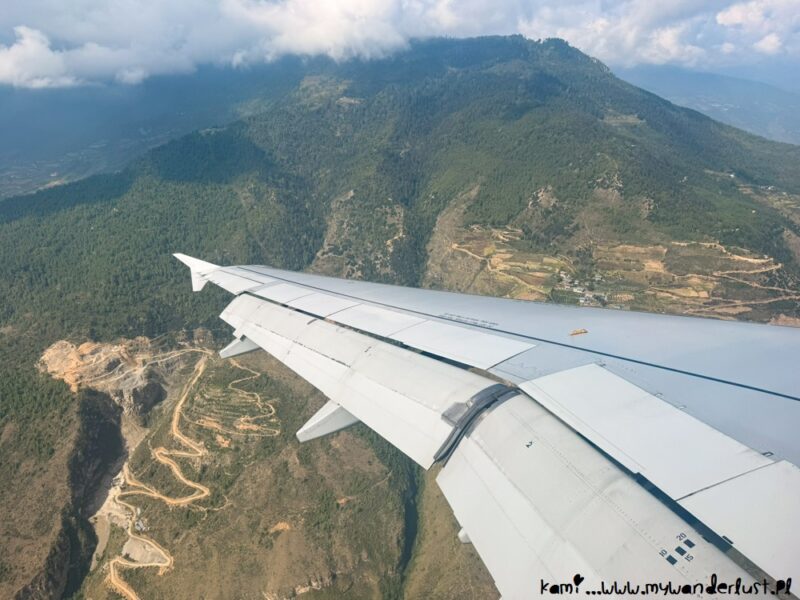
While the tour price covers everything in Bhutan, we still had to pay for flights there, and those were a bit expensive. Paro Airport, located deep in the valley and with no systems to help pilots, is considered one of the most difficult airports to land at, and it was definitely a thrilling experience. Only around 50 pilots are licensed to land there, and only two local airlines operate there: Drukair (Royal Bhutan Airlines) and Bhutan Airlines. They offer flights to/from India (Delhi, Kolkata), Nepal (Kathmandu), Thailand (Bangkok), Singapore, and Dubai, and that’s basically your only way to reach Bhutan.
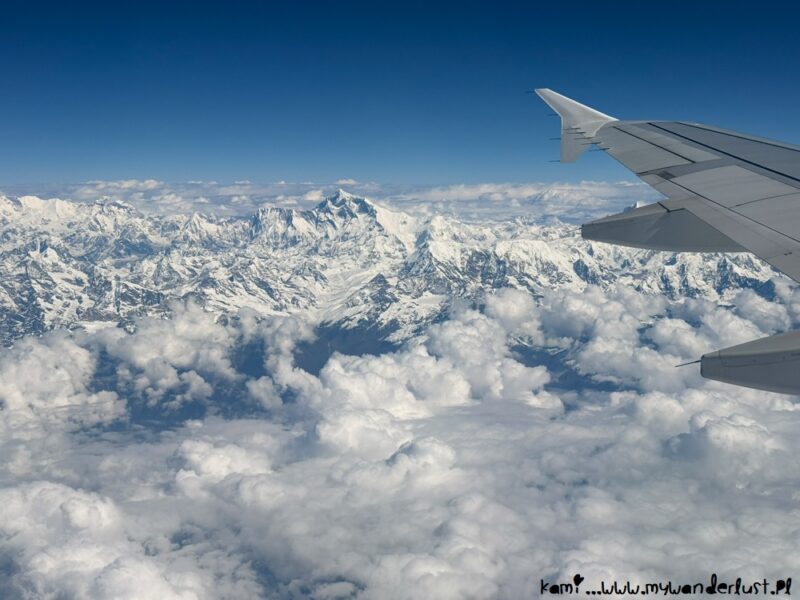
We flew from Kathmandu, which I can highly recommend. Not only is it a short flight, around one hour, but the views of the Himalayas (including Mount Everest) are spectacular. While the flights were a bit expensive (especially for such a short distance), I don’t think I will ever be able to see Mount Everest again, so it was worth the money.
For the best views, you need to sit on the left side on the way to Bhutan and on the right side on the way back. Be sure to check in online as soon as possible to secure window seats. Choosing seats costs extra, but it was the best 7 USD we spent.
We paid 435 USD/person for the return flights from Kathmandu to Paro; the price included a checked bag and snacks on the plane. We booked the flights well in advance because we knew we were going, so I assume the closer to the departure time, the higher the price is.
Do you need a guide to explore Bhutan?
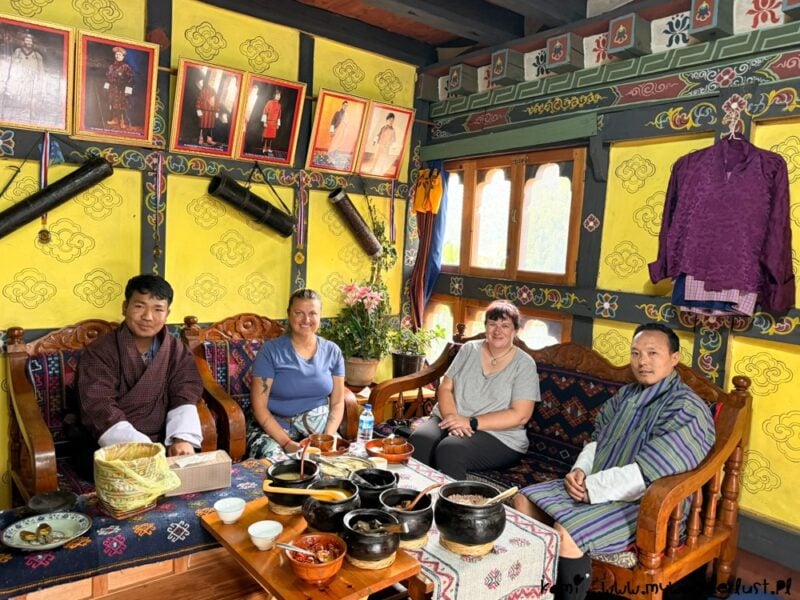
Yes. It’s mandatory to tour Bhutan with a local guide. The guide and the driver accompanied us; they were both amazing, and we were lucky to have been assigned them. In general, there are many more men than women who are guides. What’s interesting is that they have to wear traditional local clothes (the gho for men and the kira for women) when doing their job – this only added to the overall experience.
While we were accompanied by the guide during sightseeing, we still had a lot of independence. Sightseeing for the day usually finished around 4-5 p.m., and then we could do whatever we wanted, whether it was staying in the hotel or going outside and exploring on our own (or visiting local cafes, shops, etc.). Our guide even recommended interesting places for us to see in the evening, but we were usually pretty tired (mostly from the altitude) to go out; we did it only twice.
Our guide also joined us when we went souvenir shopping, not because he had to, but because he wanted to help us. And he did, helping us score better prices and recommending what’s good and what’s so-so. Since Paro is full of souvenir shops, I know he didn’t want to push us into buying from his friend, etc.; he was genuinely helpful.
How long in advance do you have to plan your trip?
We planned everything really early, but only because we wanted to have something to look forward to, and the trip to Bhutan was the highlight of the year for both of us. Once we’ve decided we want to go, we started the whole process of organizing the trip. That was in early February, and we visited Bhutan in early October.
We also booked our flights to Kathmandu and onward to Paro that early, and that was actually the most stressful part of the trip. We booked flights from Europe to Nepal with Qatar Airways (we were flying from different airports, so we met in Doha to continue our journey together), and literally a few days later the war in Iran started.
Even if things calmed down in the meantime, we all know how unpredictable the whole situation was. When we were on the way back home, there were attacks on Riyadh airport, so I was a bit anxious, but everything went well for us.
While we organized everything so well in advance, I think you can do it much closer to your trip; I would say around 2-3 months. That said, some of the best accommodation options might be booked by then, so if you prefer to stay at certain places, plan your trip in advance.
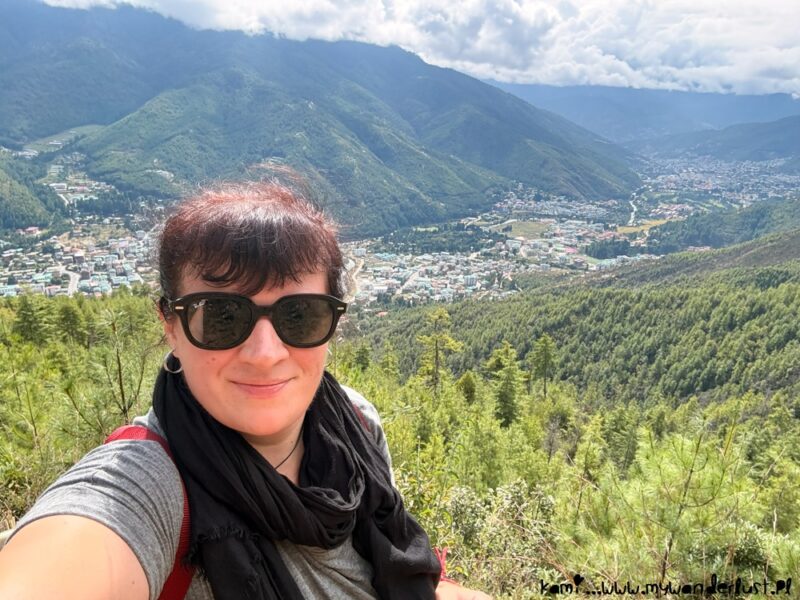
How to organize the trip? Is it easy to organize everything alone?
Organizing everything was straightforward and easy (although it was my friend who did all the work here). There were many local companies that organize tours, so the first step is to choose one. I remembered one of the bloggers (who is a friend of some of my friends) collaborating with one of the local companies and had good things to say about them, so we checked other reviews and eventually went with the same company. Since we didn’t know anyone else who had been to Bhutan, this seemed like the best option. The company we used is called Bhutan Travel Center.
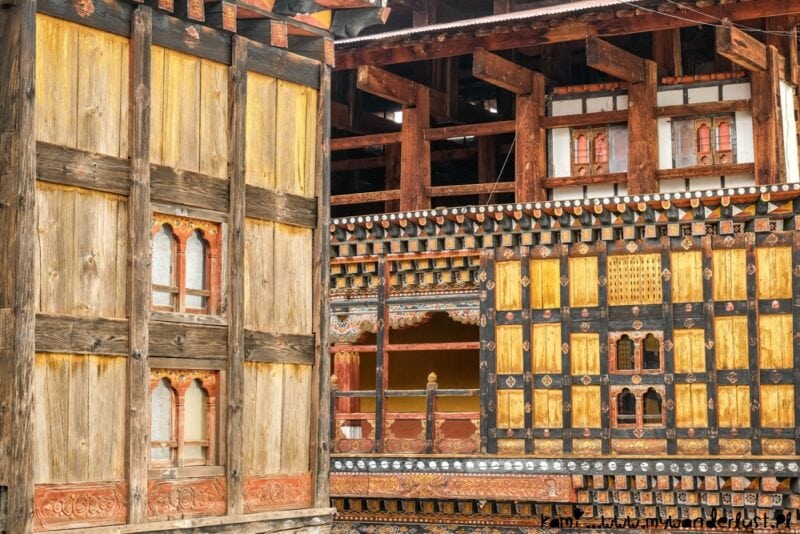
My friend filled out the form on their website, and they got back to her shortly with the offer and tour details. After emailing about different options (we were still debating whether we preferred 5 days/4 nights or 6 days/5 nights in Bhutan), answering all our questions, and revising the itinerary with our suggestions, we came to an agreement.
The company was rather responsive (we had to email them twice a few times when we didn’t get confirmations or answers to rather urgent issues), and everything took only a few days to arrange. We had to pay $1000 in advance to secure the booking and send them passport copies so they could start working on the arrangements.
About two months before we were supposed to go, we emailed the company to ask if everything was OK with our reservation and how the visa process was going. That’s when they asked us for pictures for the visa, which we got around two weeks later, together with the packing list and other details (such as where to meet the guide after arrival, how much money we need to bring in cash, and the condition of the USD notes that are required there, i.e., banknotes not older than 2009).
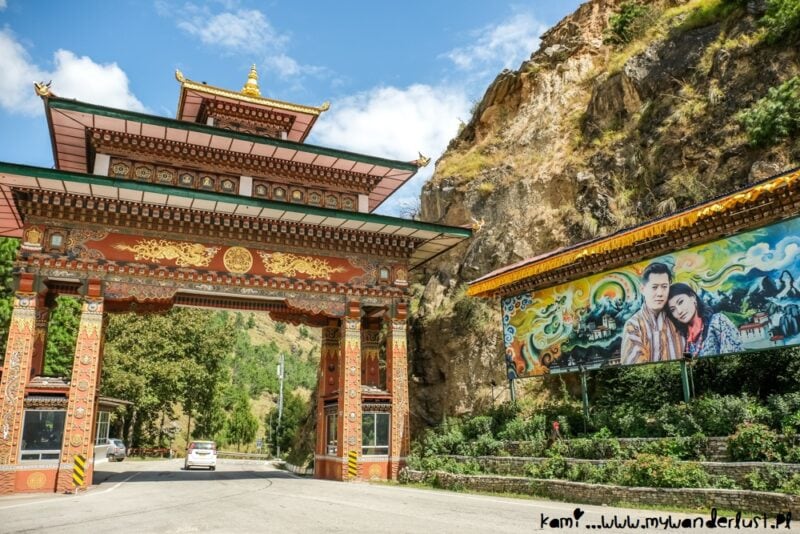
That was basically all the planning. Shortly before the trip, we were still in touch with the company to confirm everything, and then we were ready to go. I think the whole process was very straightforward and didn’t require too much work on our side. It could have been even quicker, but we had some questions, did our research, and wanted to add a few stops to the itinerary, etc.
How does the SDF fee work?
When traveling to Bhutan, there is a mandatory fee called the “Sustainable Development Fee (SDF).” Currently, it’s 100 USD per night, but the price might go up soon (this news was the main reason why we’ve decided to visit Bhutan in 2026, before it got even more expensive). The fee is usually included in your tour price, so you don’t even feel you spent that extra money.
However, before deciding on the tour, be sure to double-check the fine print to see whether the final price includes the SDF. The money the country gains from SDF then goes toward education, infrastructure, and conservation, so with your trip to Bhutan, you actually help the place get better (or so the official version says).
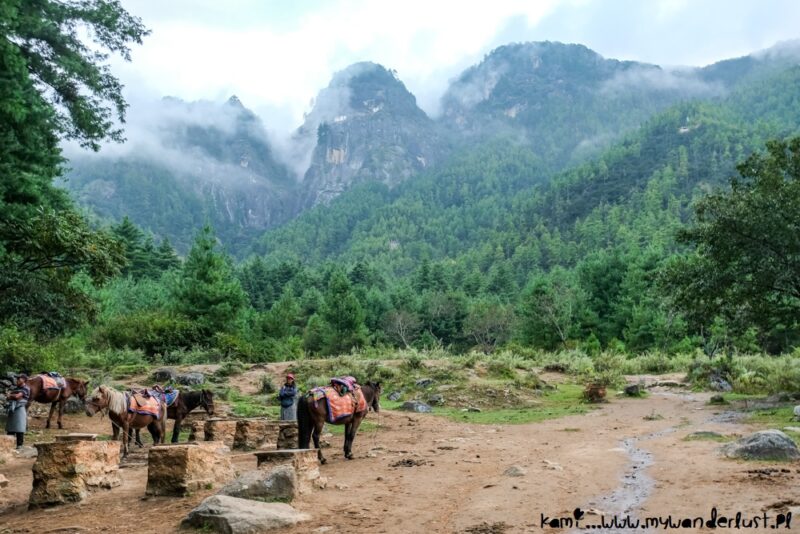
Logistics/organization of the trip
The trip was very well planned and paced. We usually met with the guide and the driver after breakfast, around 8 in the morning, to start our sightseeing. The only exception was the day we went to the Tiger’s Nest hike, as we preferred to start early, so we departed from the hotel at 5:30 in the morning, and we were the first people starting the hike.
Depending on the day, the sightseeing took about 8-9 hours, including the lunch break, and we were back at the hotel around 4-5 p.m. to relax or have free time.
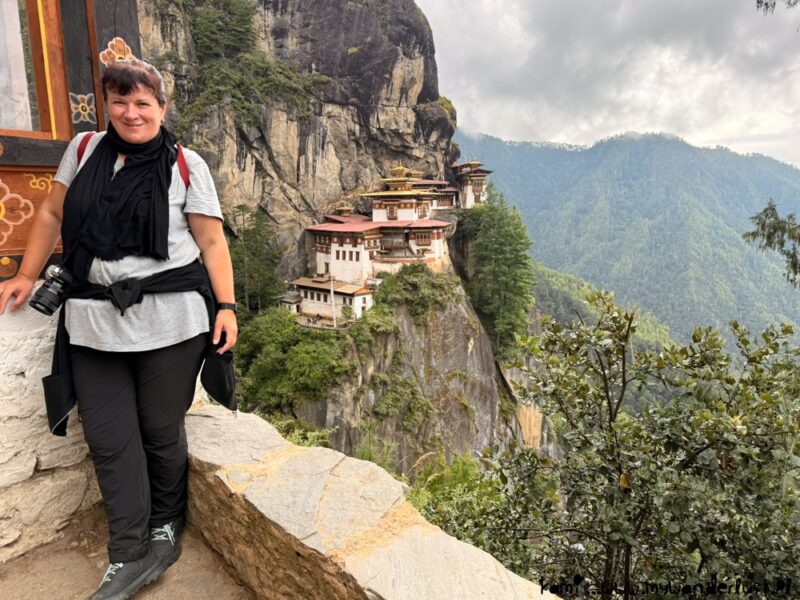
I think if I had traveled independently, I would have had much busier, longer days, but the logistics of getting between places would have been much more challenging. Since everything was taken care of for us, all we had to do was meet the guide and follow the itinerary.
Everything was set for our pace; we didn’t have to rush or worry about the schedule. It was actually such a nice and relaxing trip, when the whole planning and logistics part was not for us to worry about.
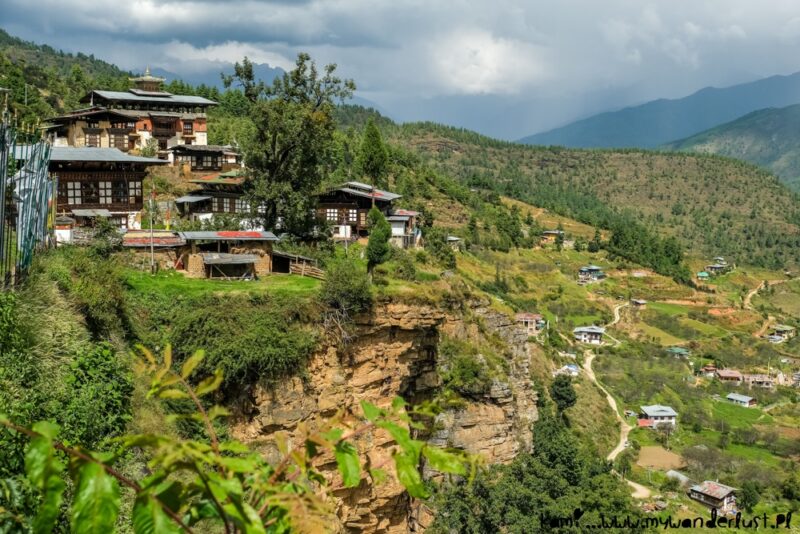
Is it easy to enter Bhutan and travel within it?
Entering Bhutan was really easy. You need a visa to travel there, but it’s taken care of by the travel agency you go with. You just need to send them a copy of your passport and a photo, and they do the rest. The cost of the travel visa is currently 40 USD, which is usually included in your tour price (but be sure to double-check it, like SDF).
We got our visas via email a few weeks before departure; we had to print them and show them at the border check at the airport. There are automatic border gates at Paro Airport, but they didn’t really work, and most people were sent to a border officer anyway.
The border control itself was standard and took only a few minutes (although I spent a bit longer there because the officer had problems with his computer and apologized to me a few times for the delay). The whole process was very smooth and friendly.
As for traveling around Bhutan, you don’t need to worry about it, as transportation is included as part of your tour.
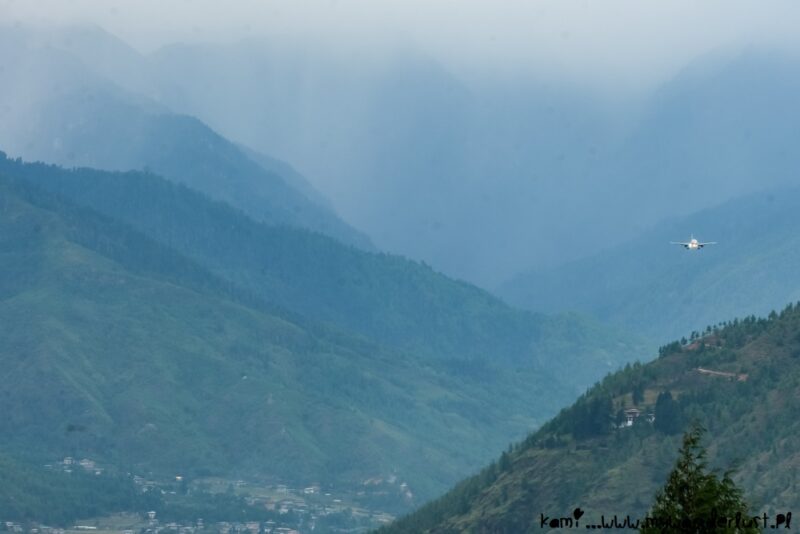
Which airport did you use to arrive?
Bhutan has only one international airport: Paro. Due to its location in a deep valley and its visual-only landing, it is considered one of the most dangerous airports in the world (although there have been no accidents there). Only a handful of pilots, from two local airlines, Drukair and Bhutan Airlines, are certified to land there, so your options for getting to Bhutan are a bit limited. There are flights to Paro from a few places in India (such as Delhi and Kolkata), Kathmandu (Nepal), Bangkok (Thailand), Singapore, and Dubai (UAE).
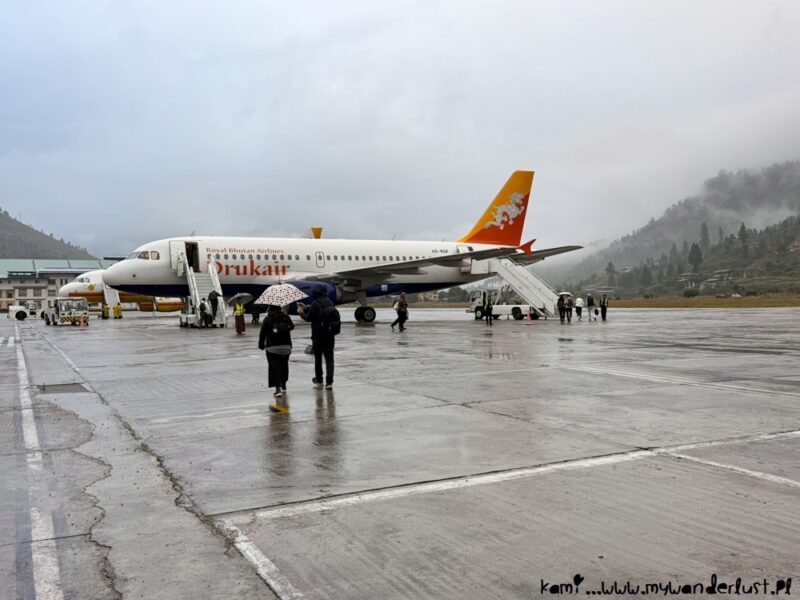
We flew from Kathmandu, and I can definitely recommend this route. It’s a short flight, less than one hour, and not only can you see the Himalayas with Mount Everest along the way, but you can also add a visit to Kathmandu to your itinerary. I didn’t expect Kathmandu to be so interesting, with so many great sites to visit, and I really enjoyed it.
Did you go with a travel company? Which one?
Since it’s mandatory to have a local guide with you when exploring Bhutan, you need to organize a trip through a local company. And there are quite a few of them.
We went with Bhutan Travel Center because it has many good reviews, and a friend of a friend recommended them. It was a good choice, and we were really happy with the services they provided.
Before the trip, there were a few minor issues when we had to keep asking for some information they should have provided themselves. Still, overall, it was a great decision to use them. What we didn’t like before the trip itself could have been just the difference in communication standards, not the real issues.
Once we arrived, everything was perfectly fine, and we didn’t have a single complaint. If you decide to use Bhutan Travel Center for your trip, too, you should ask for Dawa Tshering as your guide and Karpola as a driver; they were both excellent and a huge reason the trip was so good.
Would you recommend taking your kids?
Of course I’m not an expert in traveling with kids, but I would say it might be an interesting trip for children, too. There are no typical kid-friendly attractions or shopping malls, but Bhutan is such a unique place in every aspect that some kids might enjoy it. Just keep in mind that this isn’t your typical tourist destination, so you might want to have a backup plan to keep your kids entertained.
What is the best time to visit Bhutan?
The best time to visit Bhutan is either in spring (March to May) or autumn (September to November). That’s when many cultural events take place; April and October are also the best months for clear skies and beautiful views.
We were there in early October, and the weather was so-so: we had clear skies only for half a day, actually, but apparently El Niño really messed up the weather that year. We had a bit of rain, but the temperatures were pleasant and good for sightseeing. Depending on the place and altitude, it was between 10 and 25C.
Is the high altitude an issue?
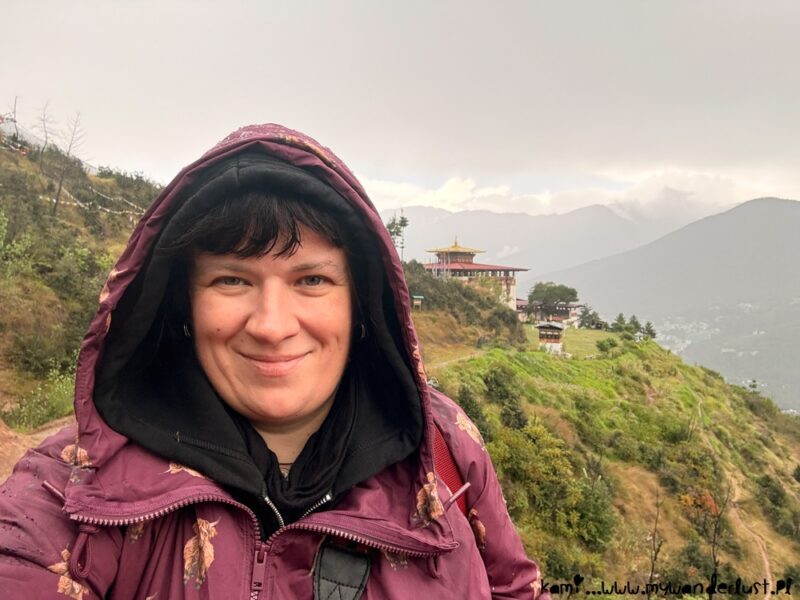
Altitude might be an issue for some visitors, especially those who are not used to it. Paro Airport is located at 2200 meters above sea level, so you’ll experience high altitude right after arriving in Bhutan. During my trip to Bhutan, the altitude varied between 1200 m asl in Punakha and 3200 m asl when hiking to Tiger’s Nest.
People usually start feeling altitude sickness around 2000-2500 m asl, so it’s better to be aware of the issues you might encounter there. Typical symptoms include headache, nausea, and fatigue, so walking up to the second floor might be a minor challenge. Basically, you feel like you are hungover, and it usually takes a few days to get used to the altitude.
However, if your trip is short like mine was, it’s smart to consult your doctor about the medication you can take to prevent altitude sickness. That’s what I did, and I got the medication that I had to take 48 hours before arriving in Bhutan, then 24 hours before arrival, and on the day of arrival (and later, if I had any symptoms). I felt fine in Bhutan, but there was one funny downside: I couldn’t drink any carbonated drinks; even sparkling water tasted funny. It went away as soon as I stopped taking the medications.
With the altitude and the time you need to adjust, it’s smart to plan a hike to the Tiger’s Nest towards the end of your trip. It’s a tiring hike, so you don’t want to add altitude issues to the whole experience.
How fit do you need to be to visit Bhutan?
That was one of my main concerns before visiting Bhutan. I’m not much of a hiker; I’m overweight, in my 40s, so my prime days are most likely over, and while I don’t have problems with walking a lot (I usually walk 20-30k steps when I travel and 10k when I’m at home), it’s not really uphill. And in Bhutan, one of the main attractions is hiking, especially to the Tiger’s Nest, where you start at around 2600 m asl and go up to 3200 m asl.
I was planning to prepare myself a bit for hiking there, go to the gym, walk up the stairs to the 8th floor (where I live) more often, etc. But somehow the time to leave for Bhutan had come, and my plans to get fitter before the trip were still in the “plans” phase.
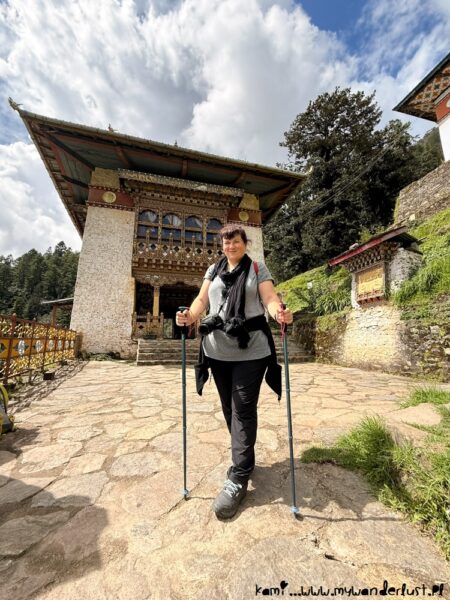
As it turned out, I had not much to worry about. We did two hikes, to Dodedrak Buddhist Monastery near Thimphu and to Tiger’s Nest, and both were just fine. Sure, I was sweating and had to stop to take many pictures along the way (which was just my excuse to catch my breath), but it wasn’t anything out of the ordinary.
I had my walking poles with me, and they were a great help, especially on the steeper parts of the hike to Tiger’s Nest (you can rent a walking stick at the bottom of a trail there, though). But even if there were people who walked up faster than me, I didn’t let that discourage me; I just kept walking at my own pace. It’s not a competition after all, as everyone gets the same reward at the end.
How is the food in Bhutan?
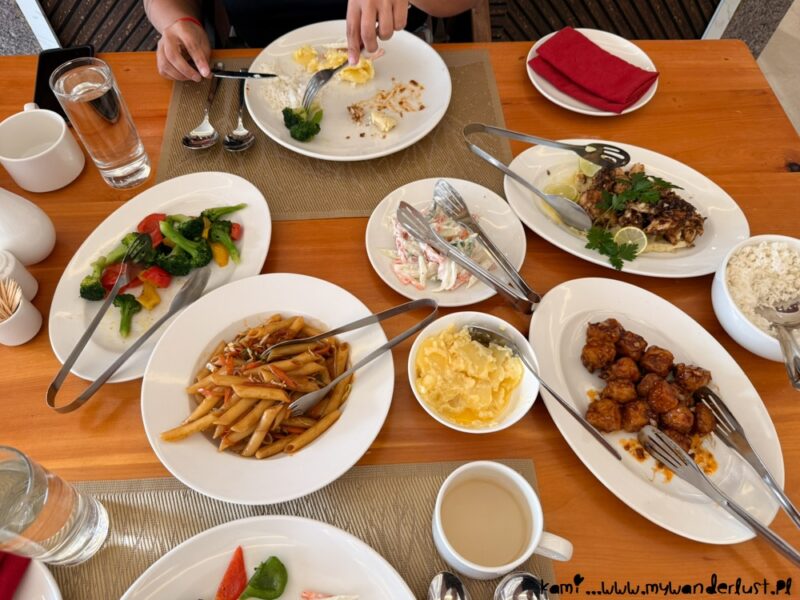
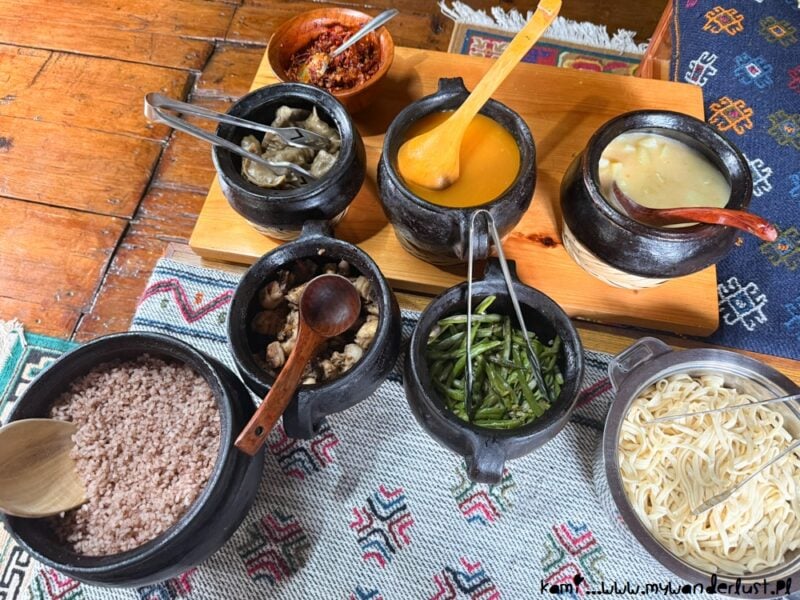
The food in Bhutan was really good but also rather spicy and heavy. Since meals are also included in the tour, you either eat at restaurants that cater to tourists or at the hotels. There is either a buffet, so you can choose what you want to eat, or you are served a few different dishes at the table.
If you have any dietary requests, there is nothing to worry about, as they take those very seriously. I’m a vegetarian, my friend doesn’t eat coriander and spicy food, and before every meal our guide or waiters reassured us that the food was prepared exactly as we asked.
As for the food, there was definitely too much to choose from, and the portions (when they were served to the table) were really hearty. There was a mix of local and international food (especially Indian); however, I wouldn’t have minded if there were more vegetables included. My friend did solid research on local food before we went and asked for a few Bhutanese dishes for us to try (like potatoes/mushrooms with cheese), and they were all served at some point during our trip.
While the food was really delicious, it was also a bit spicy (even when we asked for it not to be spicy) and really heavy. There were a few times when we both felt way too full, even though we didn’t eat much. After returning home, I also had some pretty serious health issues which might or might not have been caused by the heavy food in Bhutan. If you tend to have gastric problems, be sure to have all your medicines with you in Bhutan, just in case.
Are there penises everywhere?
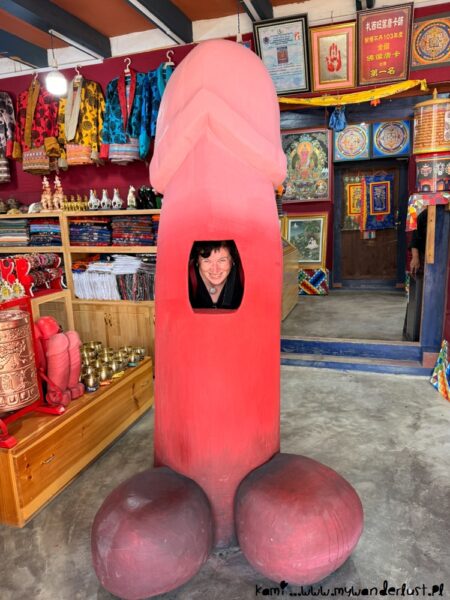
In Bhutan, a phallic image symbolizes protection and fertility. At first you might really notice it, but once you see the first penis painted on the house, you will spot them everywhere. This centuries-old tradition is popular especially in rural areas where locals decorate their houses with images of penis to protect families from evil spirits and gossip. Since the painted penises bring smiles and curiosity to visitors, you might find numerous phallic souvenirs in local souvenir shops, especially in the Punakha area.
Is Bhutan the happiest country in the world?
Bhutan is known as the happiest place in the world, mainly because it measures progress by Gross National Happiness (GNH) rather than GDP. The new indicator was introduced in 1972 by the Fourth King, Jigme Singye Wangchuck, and it focuses on balancing well-being, cultural preservation, good governance, and environmental protection.
While it all sounds nice, I’m not entirely certain this is really the happiest place on Earth. People seem to have a slow life there, but it doesn’t look very easy, with rather unfavorable geographical conditions and isolation from the rest of the world. Everyone was kind, polite, and respectful, but I didn’t get the feeling that they were actually extremely happy with their life (it was more like an average level).
I know it’s all just assumptions based on my rather short visit, but I felt like “the happiest country in the world” is more of a good advertising slogan than the reality, especially since Bhutan and its people deal with numerous issues, mostly youth immigration, climate change, economic reliance on India, and substance abuse.
Do I recommend visiting Bhutan?
Definitely! This is the most unique place I’ve ever visited. Everything was special there: culture, customs, architecture, no traffic lights, traditional clothes (you see a lot of them as locals need to wear them to work or even when dealing with official issues like visiting a bank), phallic shapes everywhere, respect for the royal family, and so much more. On top of that, the views are simply breathtaking, and flying to and from Paro Airport is a truly thrilling experience. While a trip to Bhutan is a bit pricey, it’s money well spent, and I bet it will be a trip of a lifetime for you, too.
I think I covered all of the important information about traveling to Bhutan. However, if there is anything else you would like to know or if you have any questions, feel free to comment below or contact me, and I will do my best to help. In the meantime, get ready to visit Bhutan!
If you found this article useful, I would really appreciate a small donation to help me run this website and provide you with even more practical content to help you plan your trips.
If you enjoyed that post why don't you share it with your friends? That would mean so much to me! Also be sure to join 30.000+ fellow travelers and follow me on Facebook, Twitter, or Instagram for travel updates and even more pictures! If you don't want to miss new posts sign up to my newsletter or follow on Bloglovin!
